
Walls, Doors & Cabinets
Cabinet Refinishing in South Florida
Doors and drawer fronts removed, labeled, degreased, sanded, primed and refinished, with the cabinet boxes prepared and coated to match.
Serving Palm Beach County·Broward County·Miami-Dade County
- Cabinet door refinishing: $170.00 per door
- Drawer-front refinishing: $105.00 per front
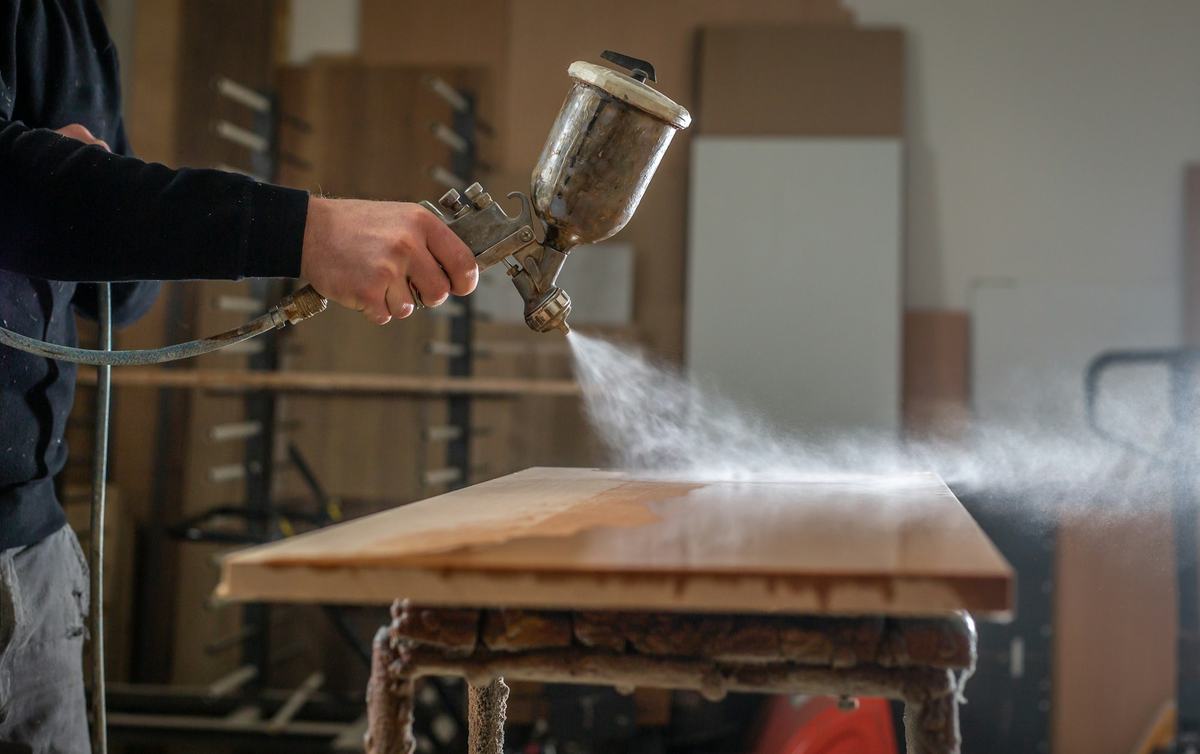
Refinishing changes the color and surface of cabinets that are structurally sound, without replacing them. It works when the boxes are solid, the doors are flat and the layout already suits you. It does not fix sagging shelves, swollen panels or a layout you dislike.
Kitchen cabinets carry years of cooking residue and hand oils, especially around handles. Coatings fail when they are applied over that film. The cleaning, sanding and priming stages decide whether the new finish stays put, so that is where we spend the time.
Scope
What cabinet refinishing includes
- Counters, floors, appliances and adjoining walls masked and covered
- Doors and drawer fronts removed and labeled so each returns to its own opening
- Hardware removed and bagged by location
- Degreasing of all surfaces to be coated
- Sanding to dull the existing finish and level minor defects
- Filling of small dents and, on request, old hardware holes
- Bonding primer suited to the existing surface
- Finish coats on door and drawer faces, backs and edges
- Preparation and coating of exposed cabinet boxes and face frames, when included
- Reinstallation, hardware refitting and door alignment
Preparation and installation
How we prepare and refinish
Assess the cabinets
We identify what the cabinets are made of and what they are coated with. Solid wood, veneer, MDF and laminate each behave differently, and some surfaces are poor candidates for refinishing.
Protect the kitchen
Counters, floors, appliances and nearby walls are masked. The work area is separated from the rest of the home to control dust and overspray.
Remove and label
Doors, drawer fronts and hardware come off and are labeled. Doors are finished flat, away from the boxes, which gives a better surface than coating them in place.
Degrease and sand
Every surface is cleaned with a degreaser, then sanded. This is the step that decides adhesion, so it is done thoroughly on edges and around handle locations.
Prime
A bonding primer is applied and sanded smooth. On wood species that bleed tannin, a primer that blocks staining is used.
Apply finish coats
Finish coats are applied to faces, backs and edges, with light sanding between coats where the product calls for it. Boxes and face frames are coated in place.
Reinstall and adjust
After the finish has dried enough to handle, doors and drawer fronts are refitted, hardware goes back on, and hinges are adjusted so gaps are even.


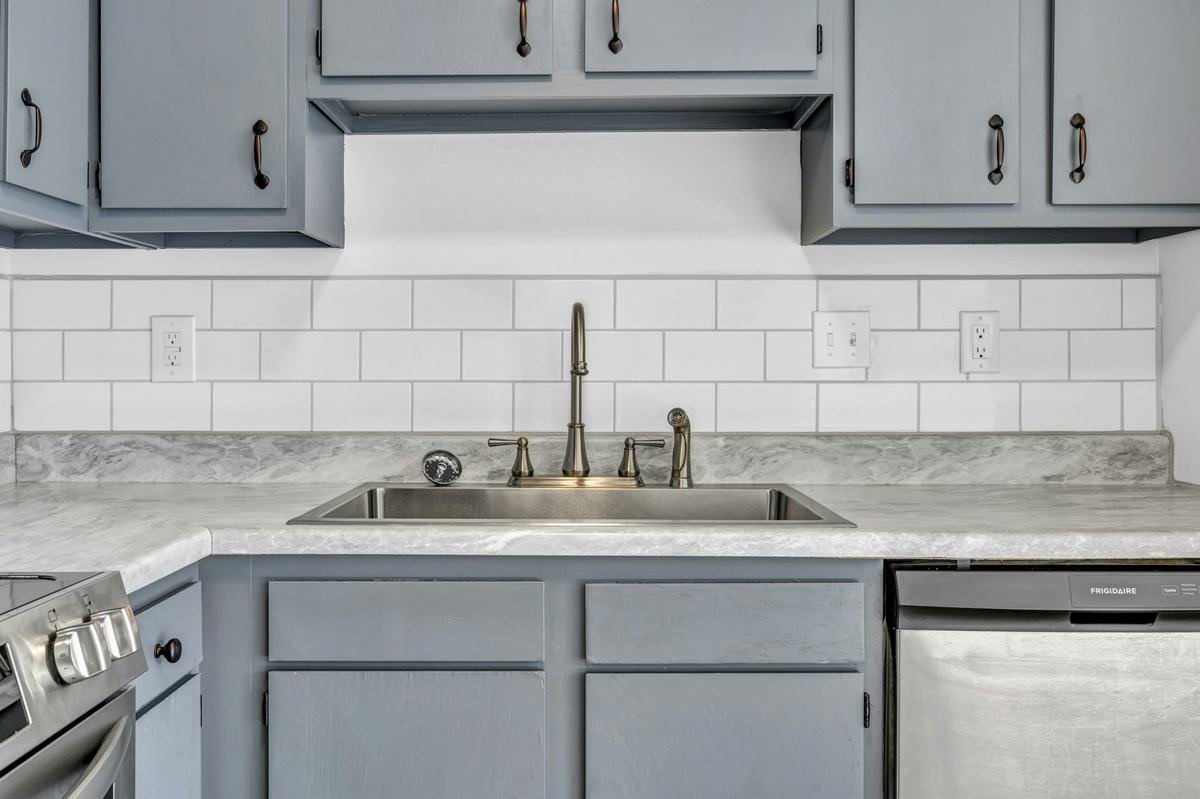
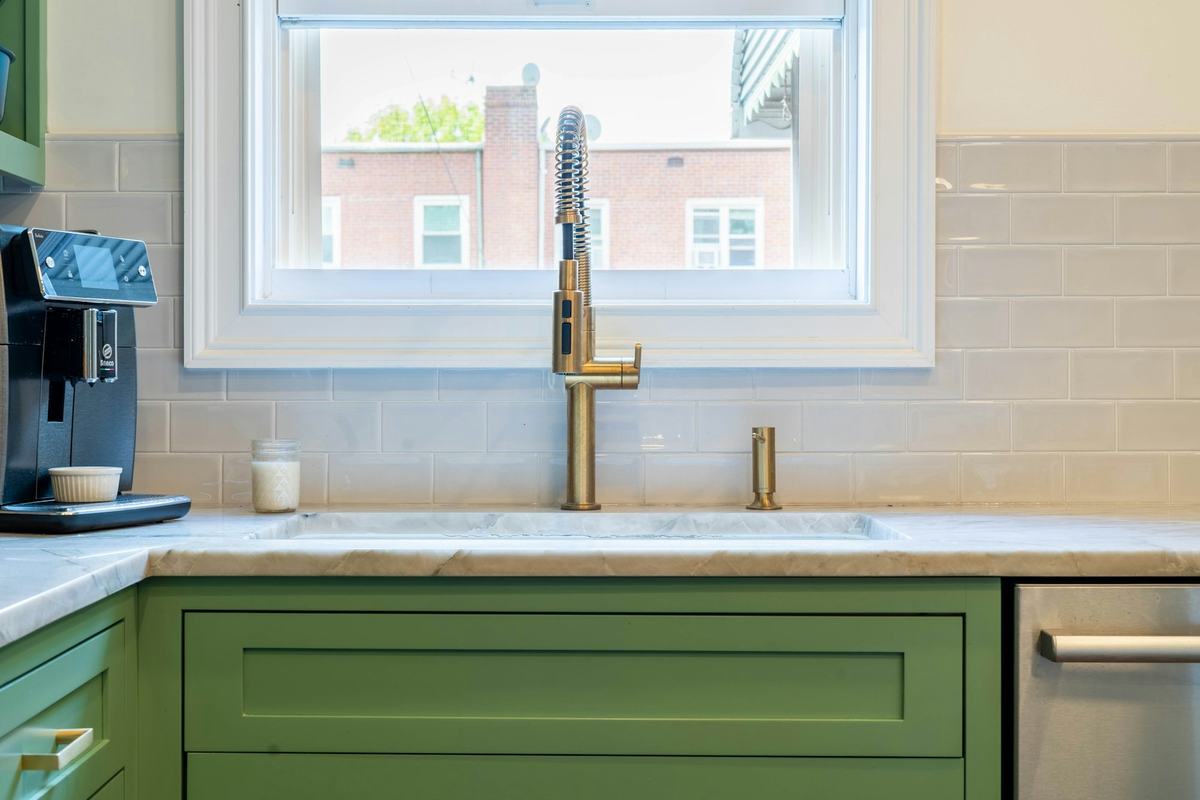
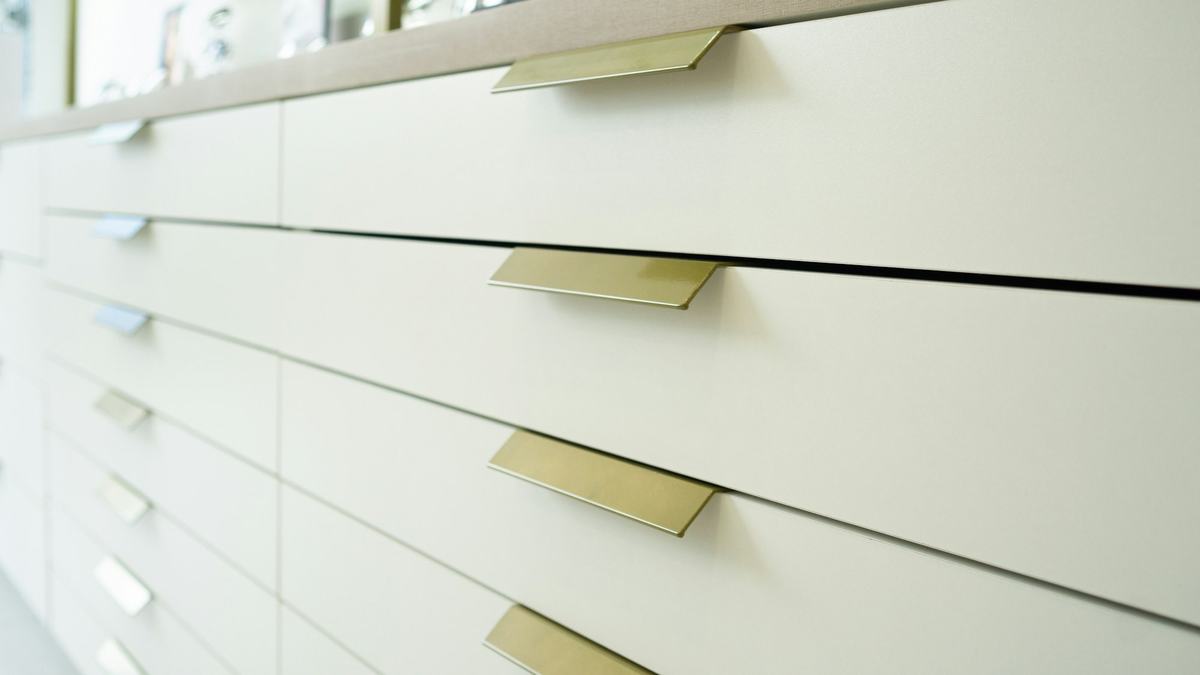
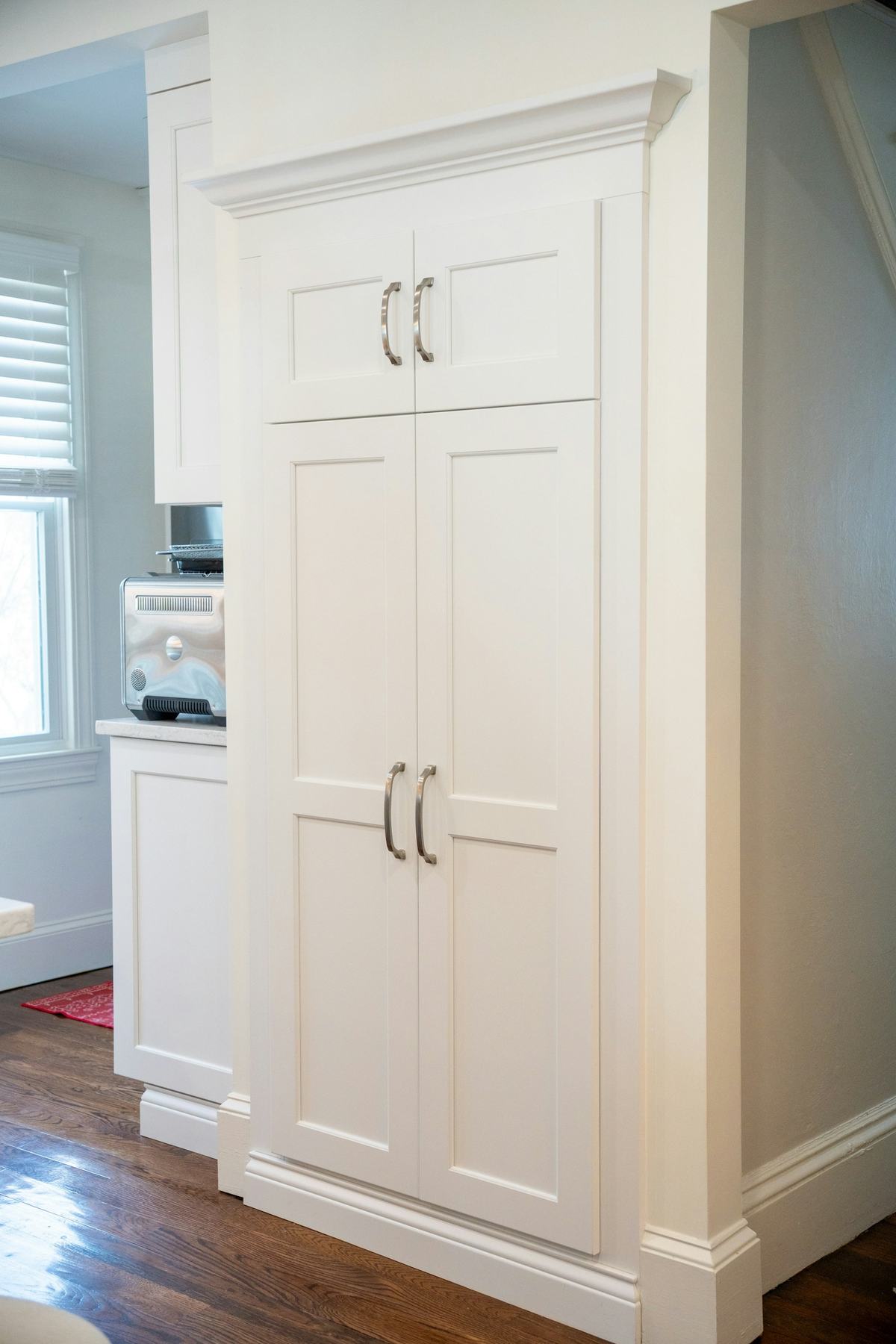
Images shown illustrate service and finish options.
Finish and system choices
Finish choices
Color and sheen are chosen with you. The coating system is selected for the cabinet material and confirmed in your written estimate.
Painted solid color
An opaque finish in the color you choose. Wood grain may remain faintly visible on open-grained species such as oak unless grain filling is added.
Sheen
Satin is the most common cabinet sheen: easy to wipe and forgiving of minor surface variation. Semi-gloss is brighter and shows more.
Two-tone
Different colors for upper and lower cabinets, or for an island. Priced the same per door; it mainly affects sequencing.
Hardware
Existing hardware can be refitted, or new hardware installed. New hardware with a different hole spacing means filling old holes and drilling new ones.
Scope boundaries
What is not included, and what we assess on site
These are the points most often left unsaid in an estimate. We would rather you read them here than discover them later.
Not included unless listed in your estimate
- Replacement of doors, drawer fronts, hinges or drawer slides
- Repair of water-damaged, delaminated or swollen cabinet parts
- Cabinet interiors and shelves, unless listed in your estimate
- Grain filling on open-grained wood, unless listed
- New hardware and the drilling it requires, unless listed
- Countertops, backsplashes, plumbing and appliances
- Layout changes or new cabinets, which fall under cabinet installation
Conditions we check before pricing
- Cabinet material and existing coating, including laminate and thermofoil surfaces
- Peeling, chipping or previous refinishing that has failed
- Water damage near sinks and dishwashers
- Number of doors and drawer fronts, counted individually
- Size and condition of the cabinet boxes, which is why box refinishing is a per-kitchen allowance
- Whether there is workable space to finish doors flat on site
Public rates
What it costs to start the math
Count doors and drawer fronts individually. The cabinet-box figure is a preliminary allowance for one kitchen; its size and condition have to be assessed before a price is set.
| Item | Public rate | Unit |
|---|---|---|
| Cabinet door refinishingPer door | $170.00 | per door |
| Drawer-front refinishingPer front | $105.00 | per front |
| Cabinet-box refinishingPreliminary allowance per kitchen — size and condition require assessment | $1,800.00 | per kitchen |
Rate version 2026-10-05.1. Standard complexity shown; Moderate is ×1.18 and Heavy is ×1.35. Preliminary only: final scope and pricing require a site assessment. Applicable taxes and assessed extras are not included.
Finish options and details
Images shown illustrate service and finish options.
Are my cabinets good candidates for refinishing?
Solid wood and well-made painted cabinets with sound boxes usually are. Laminate and thermofoil surfaces, peeling finishes and water-swollen parts are harder and sometimes not suitable. We look at them in person and tell you plainly, including when replacement would serve you better.
Why is cabinet-box refinishing an allowance rather than a fixed price?
Doors and drawer fronts can be counted. Boxes vary far more: the number of exposed ends, face-frame area, soffits, islands and the condition of the surfaces. The per-kitchen figure in the calculator is a starting allowance that we replace with an assessed price after seeing the kitchen.
Can I use my kitchen during the work?
Partly. The room remains accessible for much of the project, but cabinets will be open without doors, and there are periods when surfaces must be left alone. We explain the sequence before starting so you can plan around it.
Will the wood grain show through?
On tight-grained woods such as maple, a painted finish looks smooth. On open-grained woods such as oak, the grain pattern remains visible as texture unless grain filling is added. We can show you the difference on site.
How should I count doors and drawer fronts?
Count every door and every drawer front separately, including false fronts at sinks and appliance panels. An approximate count is fine for the calculator; we confirm the exact number on site.
Related services
Often scoped together
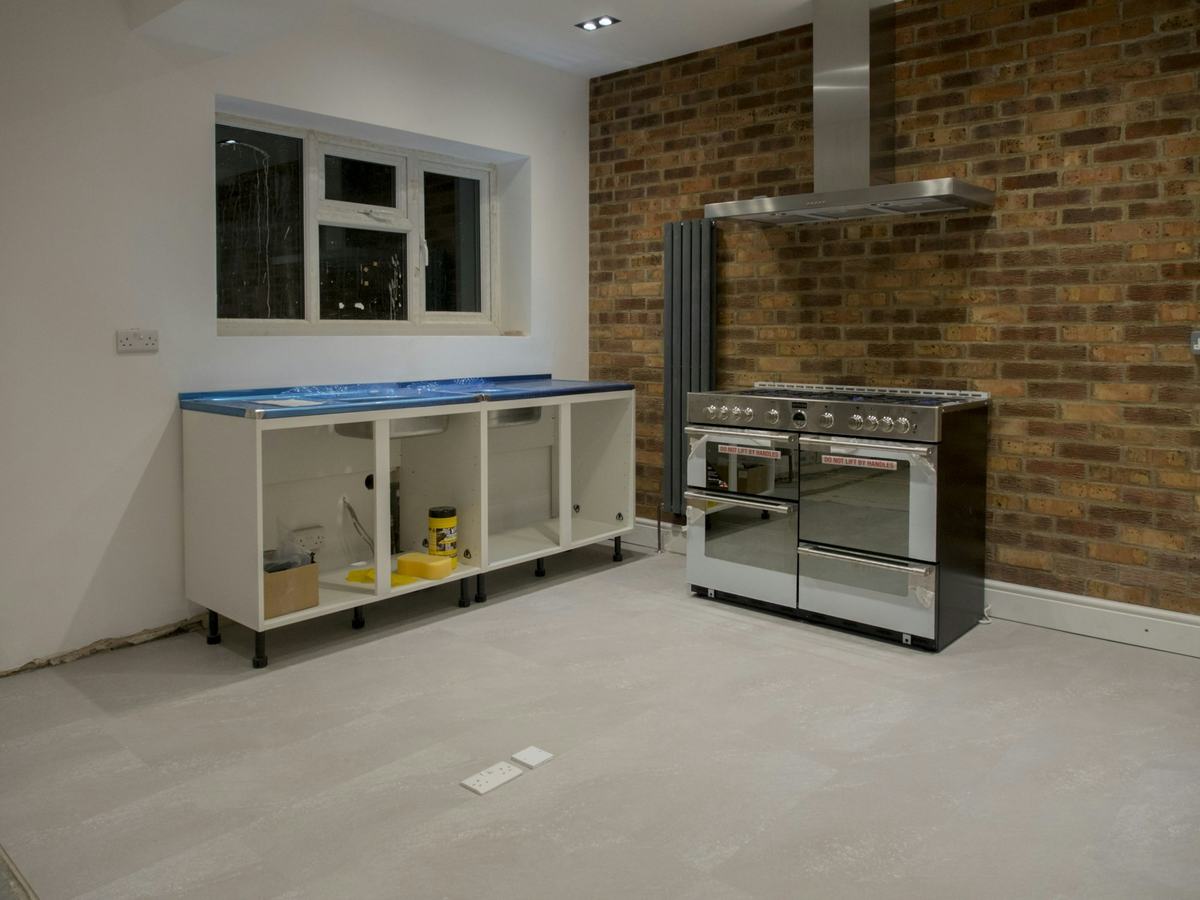
Cabinet Installation
Base, wall and tall cabinets set level, joined and fastened to the framing.
View service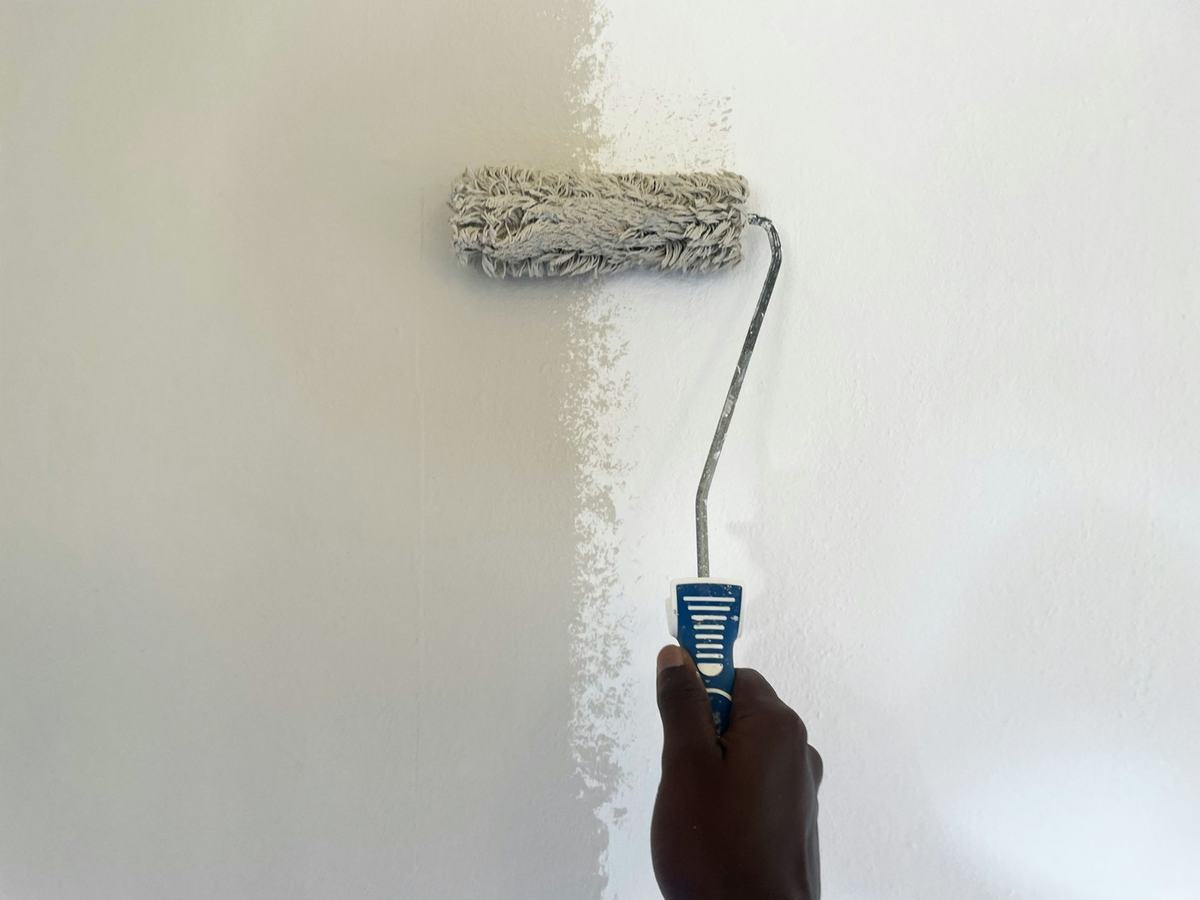
Interior Painting
Walls filled, sanded and caulked, then finished in two coats with clean cut lines.
View service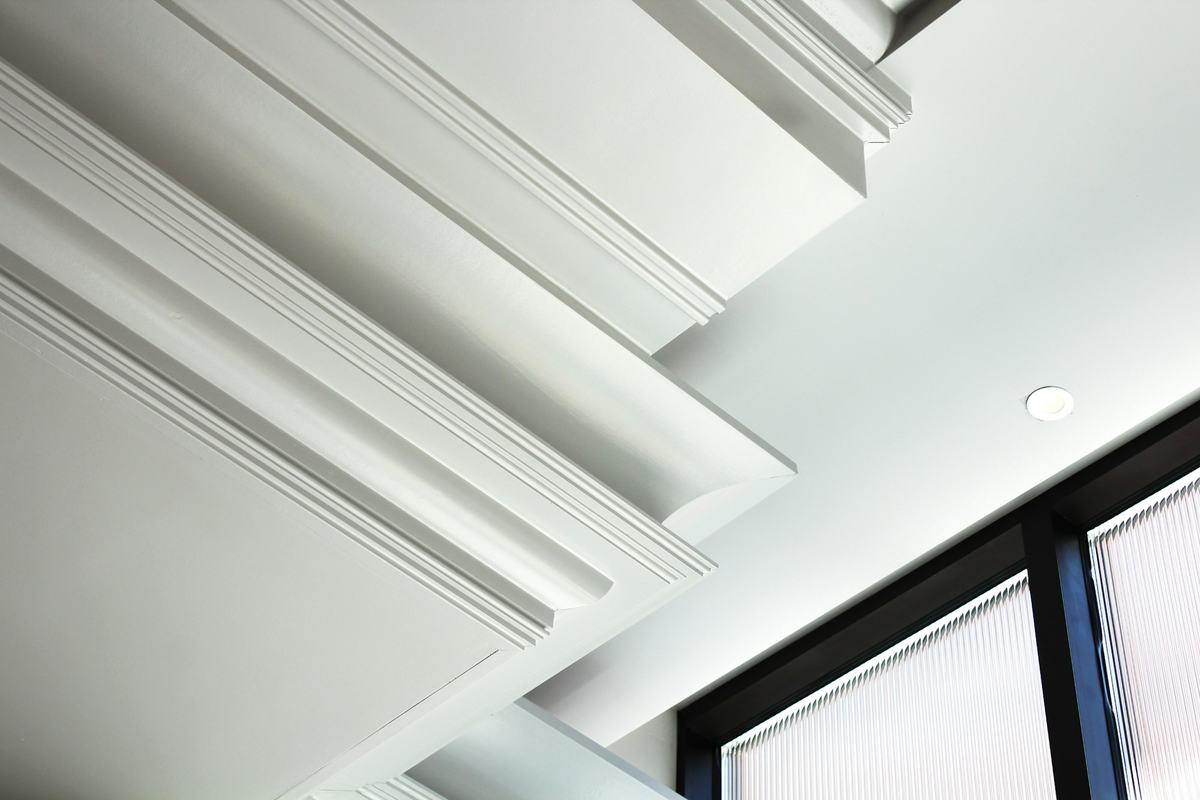
Ceiling, Trim & Door Painting
Ceilings, baseboards, casings and door slabs painted with the preparation trim needs.
View serviceRequest an estimate
Ready to scope cabinet refinishing?
Send the rooms, surfaces and rough quantities you have. We reply to confirm a visit, assess the conditions on site, and give you a written scope and price before any work is scheduled.