
Painting
Interior Painting in South Florida
Walls prepared properly and finished in two coats, with your floors, furniture and fixtures covered before a can is opened.
Serving Palm Beach County·Broward County·Miami-Dade County
- Wall painting: $1.55 per sq ft
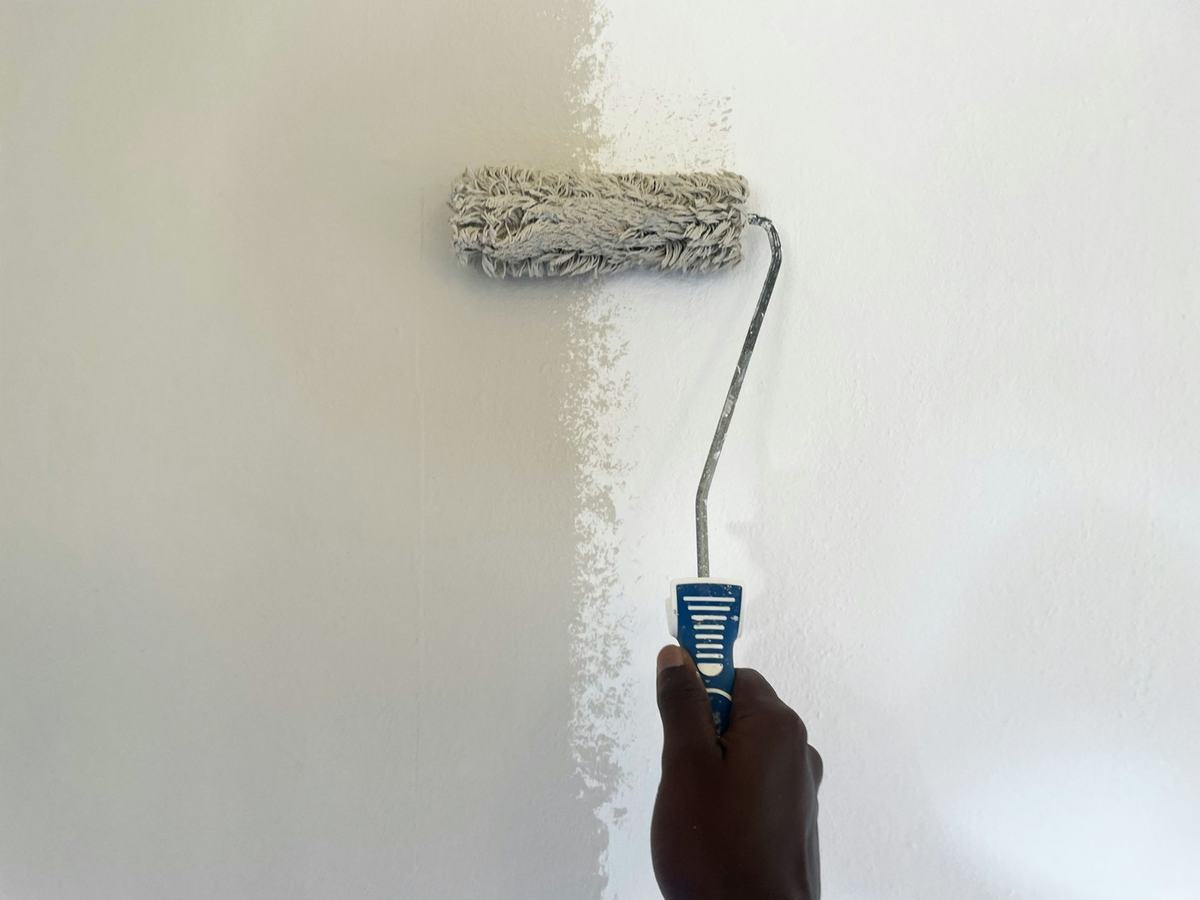
Most of what you notice in a finished paint job was decided before the first coat: whether nail pops and dents were filled, whether old patches were sanded flush, whether the gap between wall and trim was caulked. We price and schedule interior painting with that preparation built in, so the finish coat goes over a surface that is ready for it.
Our standard wall scope is two coats with light preparation. Where walls need more than that, such as larger repairs, stain blocking or texture work, we point it out during the site visit and list it separately so you can see exactly what you are paying for.
Scope
What interior painting includes
- Floors covered and furniture moved to the center of the room or covered in place
- Switch plates and outlet covers removed and reinstalled
- Light preparation: small holes and dents filled, spot sanding, loose material scraped
- Caulking of small gaps where walls meet trim
- Spot priming of filled and repaired areas
- Two finish coats on walls, cut in by brush and rolled
- Daily clean-up of the work area and removal of our coverings and tape at completion
- A walkthrough with you before we call the room finished
Preparation and installation
How we prepare and paint
Protect the room
Floors are covered, furniture is moved or wrapped, and hardware that should not be painted is removed or masked. Protection goes down first and comes up last.
Inspect under good light
We check walls with raking light to find dents, pops, cracks and old patches that are easy to miss in normal room lighting. Anything beyond light preparation is flagged before work continues.
Fill, sand and caulk
Holes and dents are filled and sanded flush. Glossy or rough spots are scuffed. Small gaps at trim are caulked so the wall color meets the trim in a straight line.
Spot prime
Filled areas and bare patches are primed so they do not flash through the finish. Stains and strong color changes may need a full prime coat, which is listed separately when required.
Cut in and roll the first coat
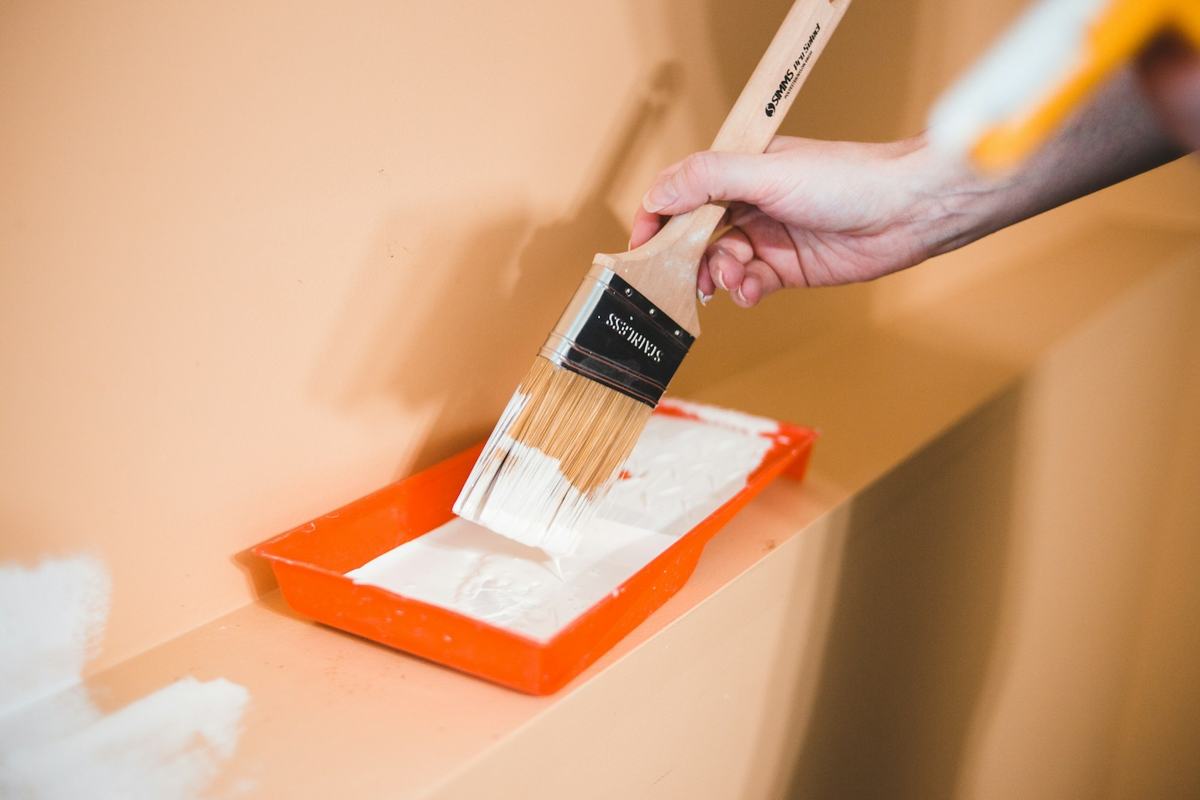
Edges, corners and around fixtures are brushed by hand, then walls are rolled while the cut line is still wet to avoid a visible border.
Second coat and detail check
After the first coat has dried, we check for misses and thin areas, touch up filler that has telegraphed, and apply the second coat.
Reassemble and review
Covers go back on, coverings come up, and we walk the room with you. Items found during the walkthrough are corrected before the job is closed.
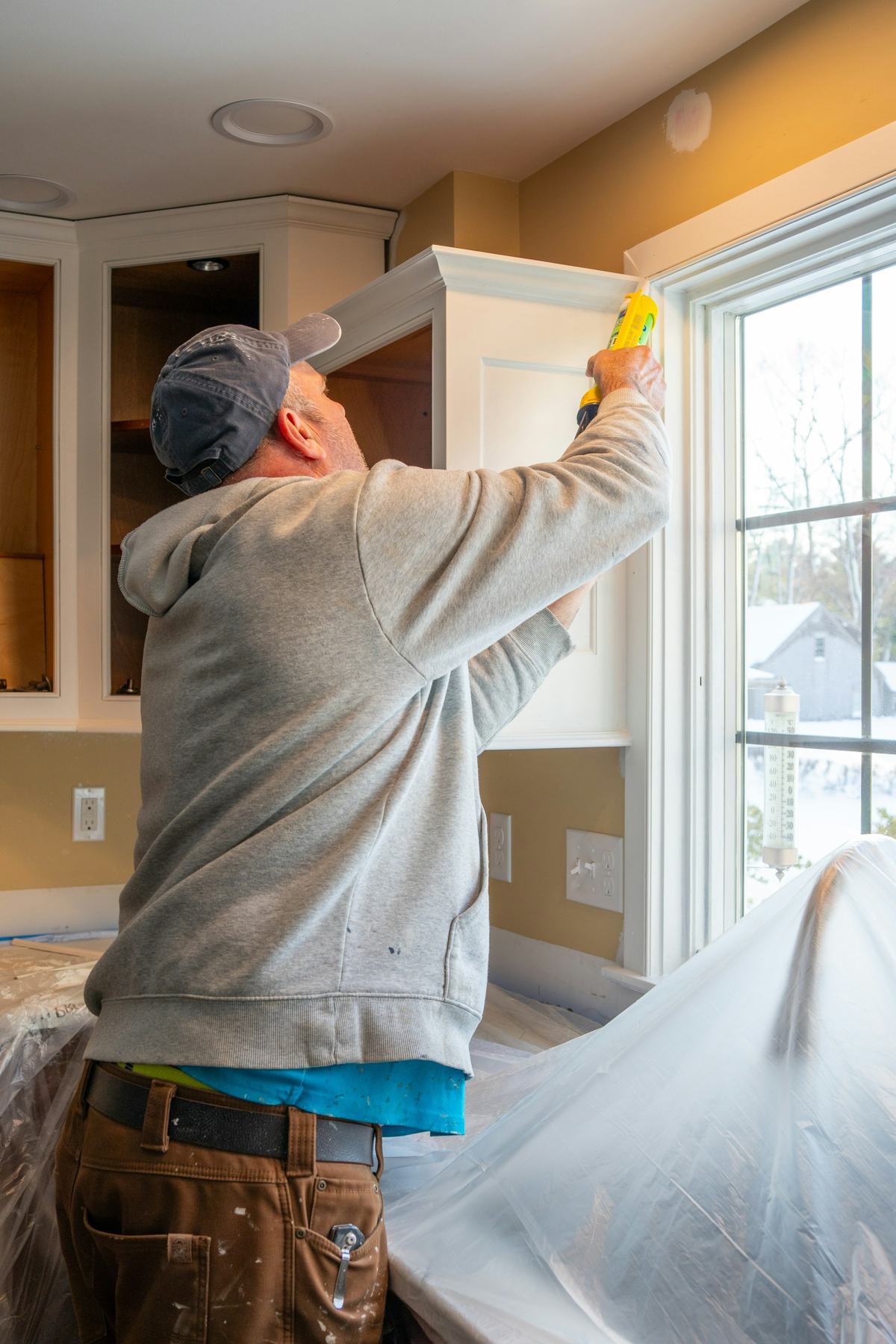
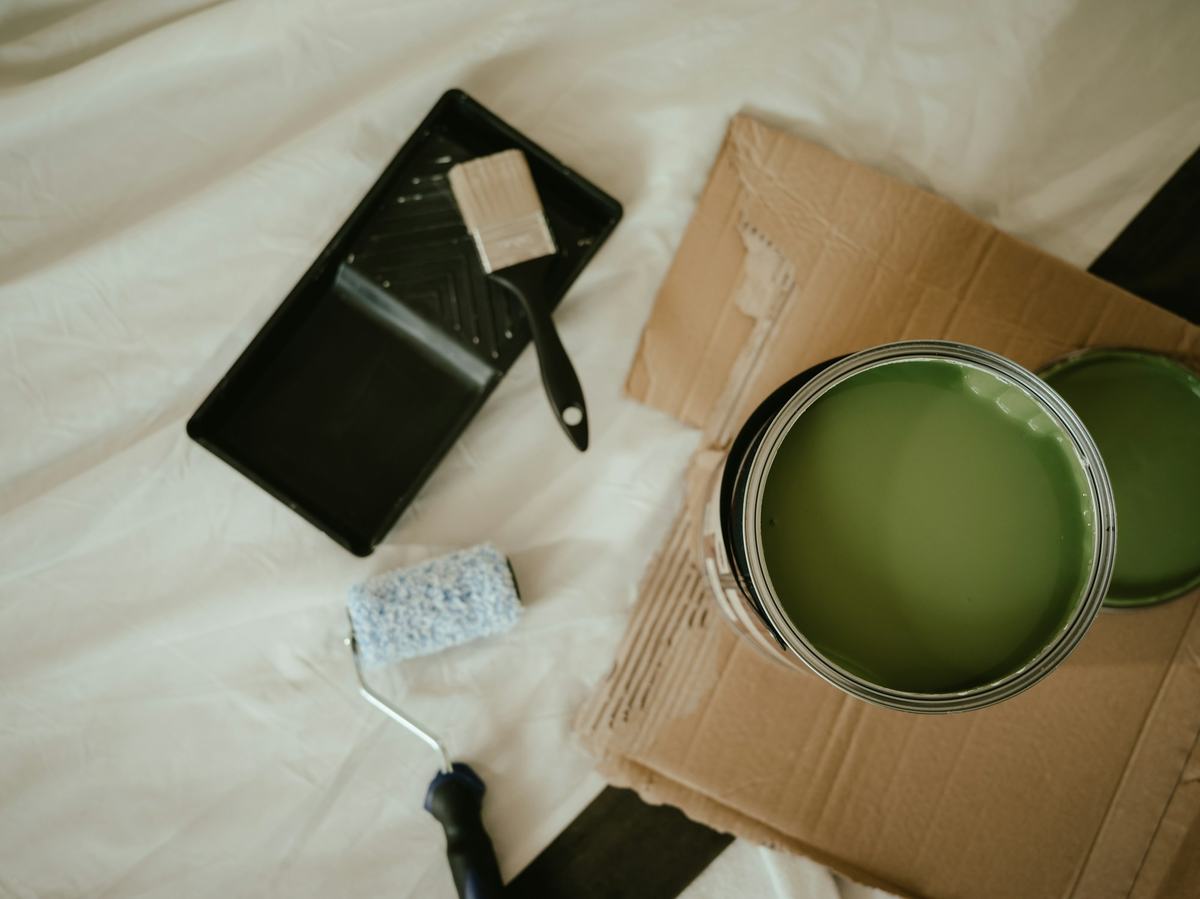
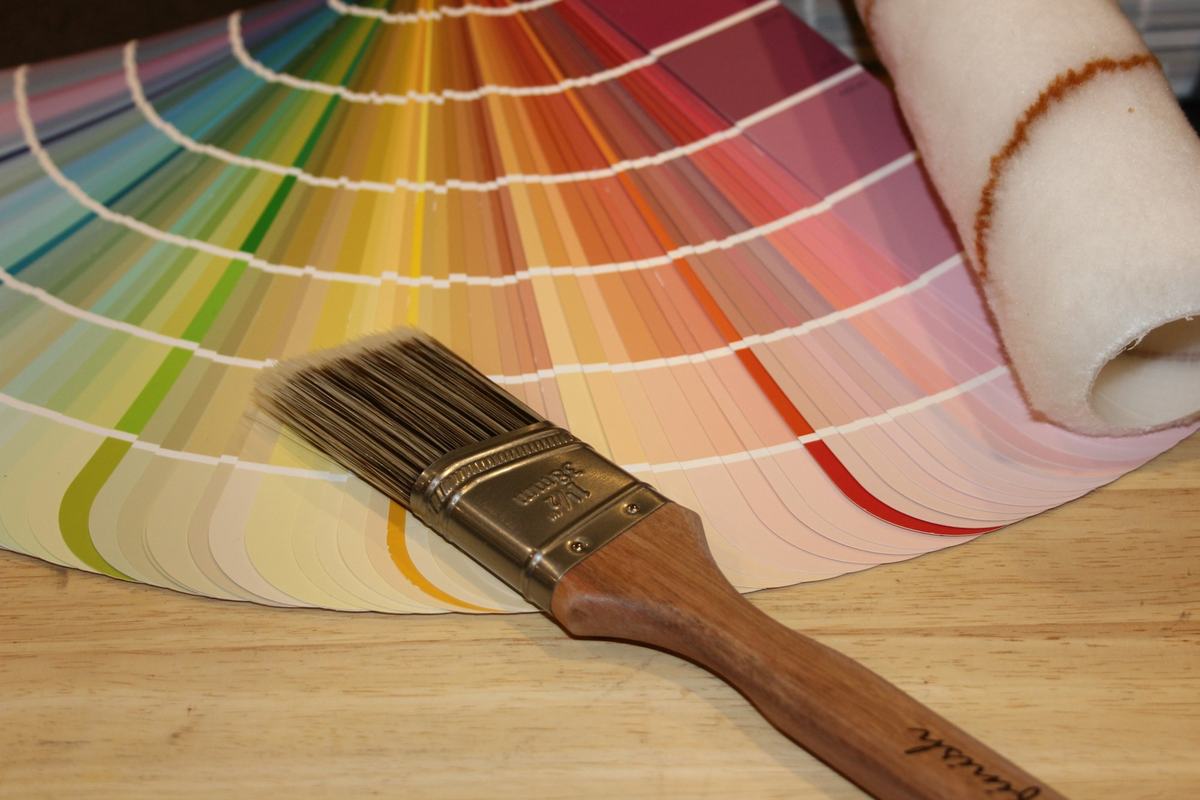
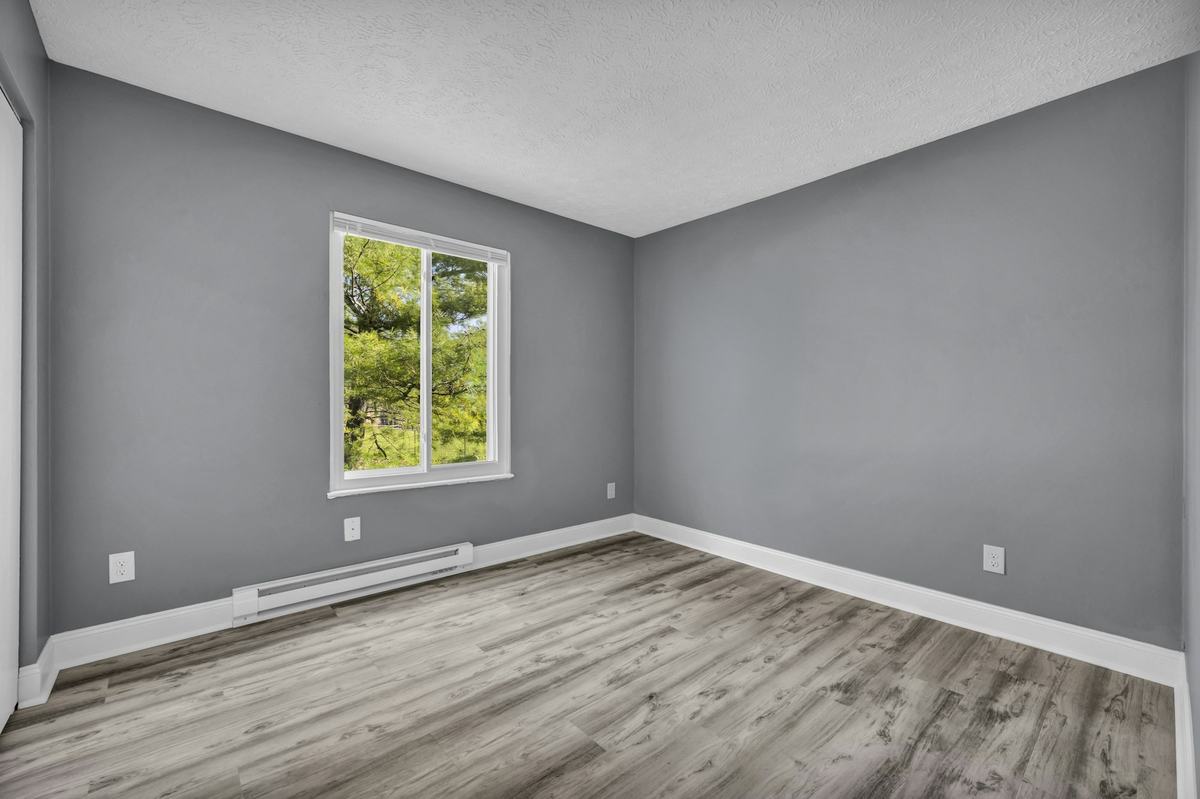
Images shown illustrate service and finish options.
Finish and system choices
Finish choices
Sheen affects how a wall looks under light and how it holds up to cleaning. We help you choose by room, and we confirm products in your written estimate.
Flat and matte
Hides surface irregularities best because it reflects the least light. Common on ceilings and in low-traffic rooms. Less forgiving of scrubbing.
Eggshell
A slight sheen that wipes down more easily than flat. A common choice for living areas, bedrooms and hallways.
Satin
More sheen and more washability. Often used in kitchens, bathrooms and children's rooms. Shows wall imperfections more than eggshell, so preparation matters.
Semi-gloss
Usually reserved for trim, doors and cabinets rather than walls. See ceiling, trim and door painting.
Scope boundaries
What is not included, and what we assess on site
These are the points most often left unsaid in an estimate. We would rather you read them here than discover them later.
Not included unless listed in your estimate
- Paint and primer when you choose to supply them yourself
- Ceilings, baseboards, doors and other trim, which are priced as their own items
- Drywall repairs beyond light preparation, texture matching and skim coating
- Wallpaper removal and the wall repair that follows it
- Stain-blocking or full prime coats, unless listed in your estimate
- Exterior surfaces of any kind
Conditions we check before pricing
- Water stains, smoke staining or marks that may bleed through
- Peeling, bubbling or previously failed paint
- Walls above standard height, stairwells and other areas needing tall ladders or staging
- Strong color changes that may need an additional coat or a tinted primer
- Glossy existing finishes that need extra preparation for adhesion
- Homes where the age of existing coatings calls for special handling
Public rates
What it costs to start the math
Wall painting is measured by paintable wall area: wall length multiplied by height, less large openings. It is not the room's floor area.
| Item | Public rate | Unit |
|---|---|---|
| Wall paintingTwo coats with light preparation | $1.55 | per sq ft |
Rate version 2026-10-05.1. Standard complexity shown; Moderate is ×1.18 and Heavy is ×1.35. Preliminary only: final scope and pricing require a site assessment. Applicable taxes and assessed extras are not included.
Finish options and details
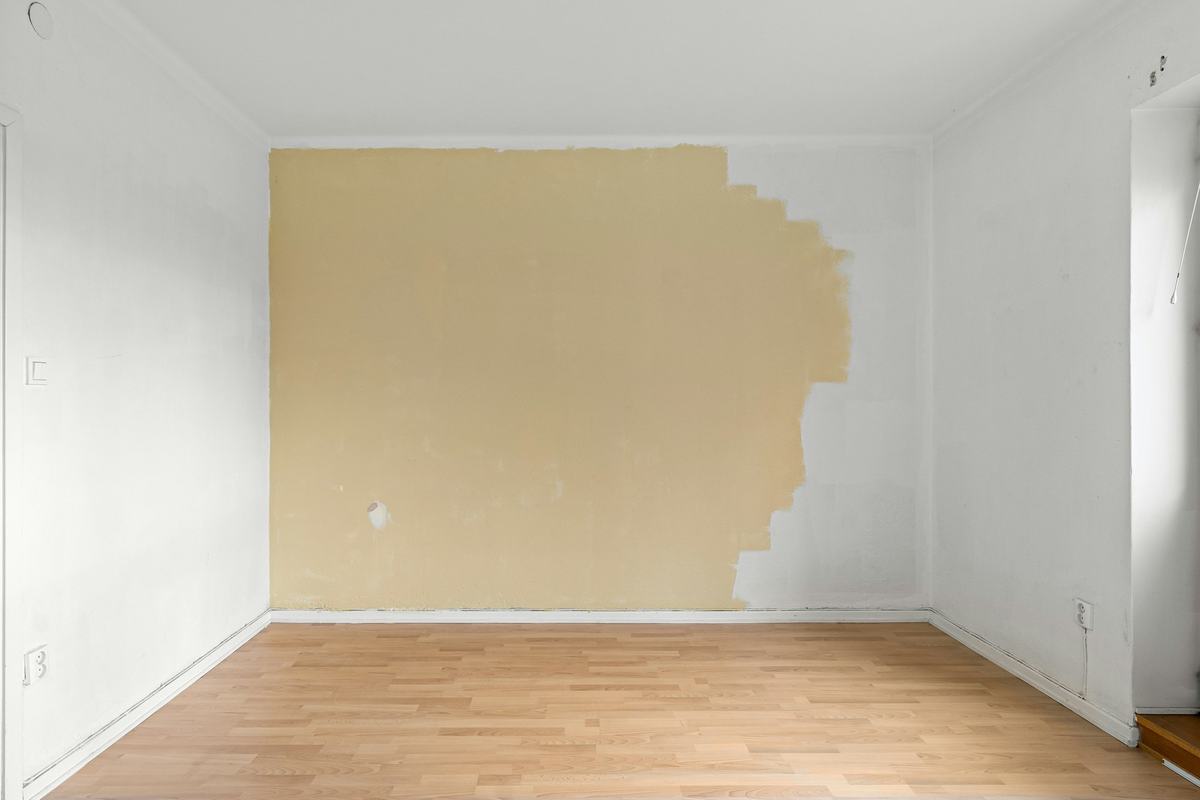
Images shown illustrate service and finish options.
How do I work out paintable wall area?
Measure the length of each wall, add them together, and multiply by the wall height. Subtract large openings such as sliding doors and wide windows. Do not use the room's floor area: a 12 × 12 ft room has 144 sq ft of floor but roughly 384 sq ft of wall at an 8 ft ceiling height. The calculator has a helper for this, and we measure on site before pricing.
Do I need to move my furniture?
We move ordinary furniture to the center of the room and cover it. Please clear shelves, wall décor, electronics and anything fragile or valuable before we arrive. Tell us about very heavy or built-in pieces during the visit so we can plan around them.
Is the paint included in the rate?
The public rate covers our labor and standard application materials for two coats with light preparation. Whether paint is supplied by you or by us is settled in the written estimate, where the products are named.
Can you paint while we are living in the home?
Yes. We work room by room or area by area, keep walkways clear, and tidy up at the end of each day. Tell us about pets, children and work-from-home schedules so we can sequence the rooms sensibly.
What counts as more than light preparation?
Light preparation covers small holes, minor dents, spot sanding and small caulk gaps. Larger patches, cracked or damaged drywall, heavy texture repairs, wallpaper removal and stain blocking go beyond it. We identify those conditions on site and list them separately rather than hiding them in a higher rate.
Related services
Often scoped together
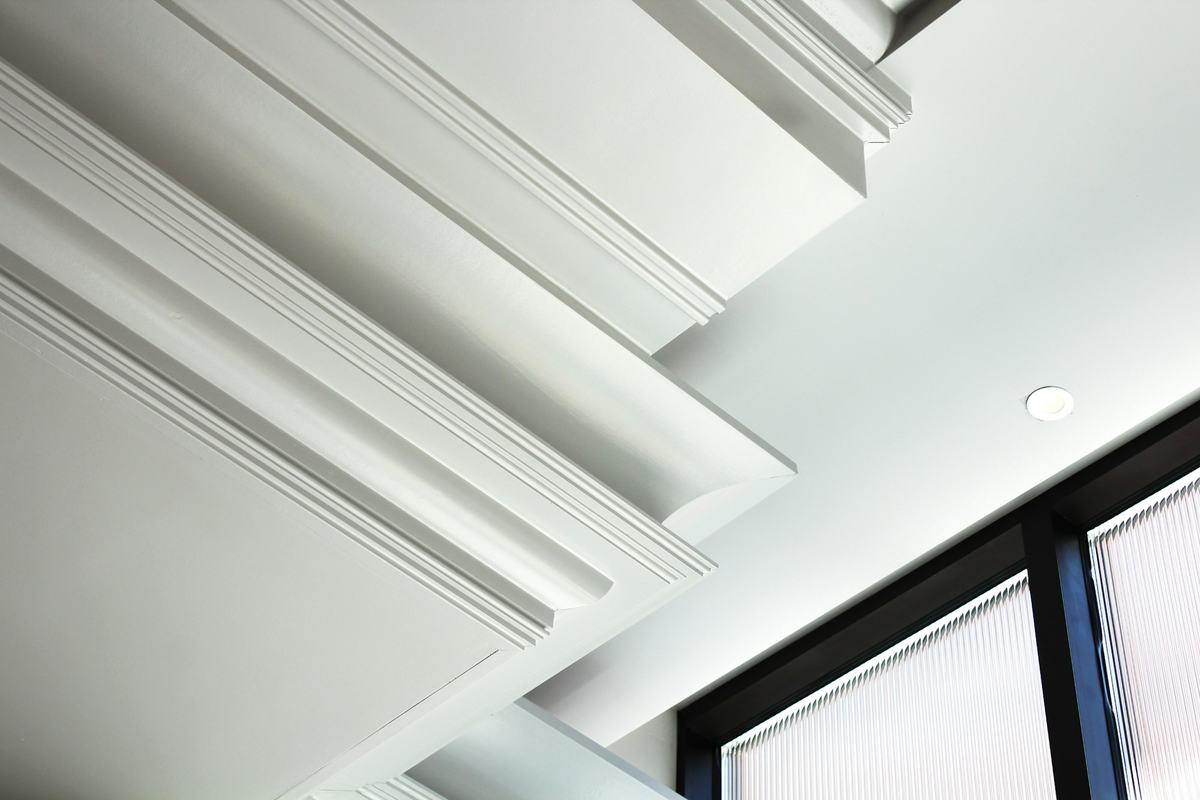
Ceiling, Trim & Door Painting
Ceilings, baseboards, casings and door slabs painted with the preparation trim needs.
View service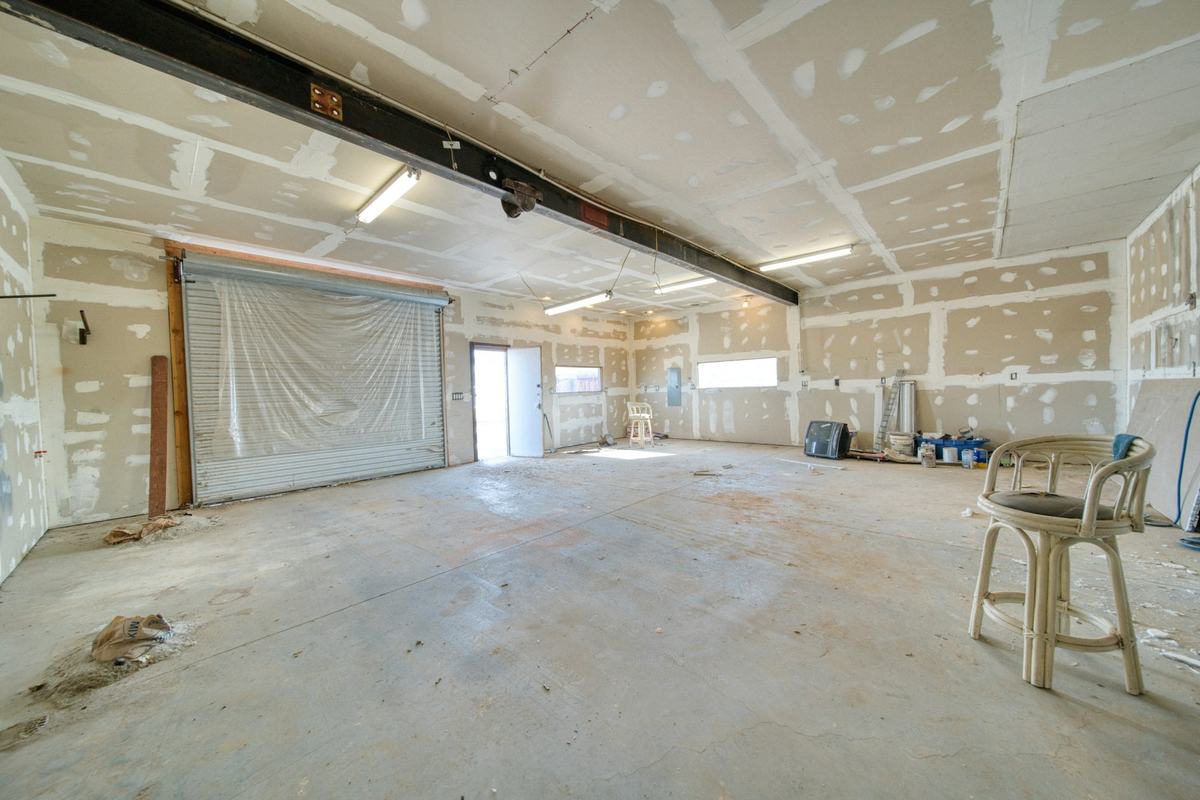
Drywall Installation & Finishing
Board hung tight and finished to Level 4, ready for primer and paint.
View service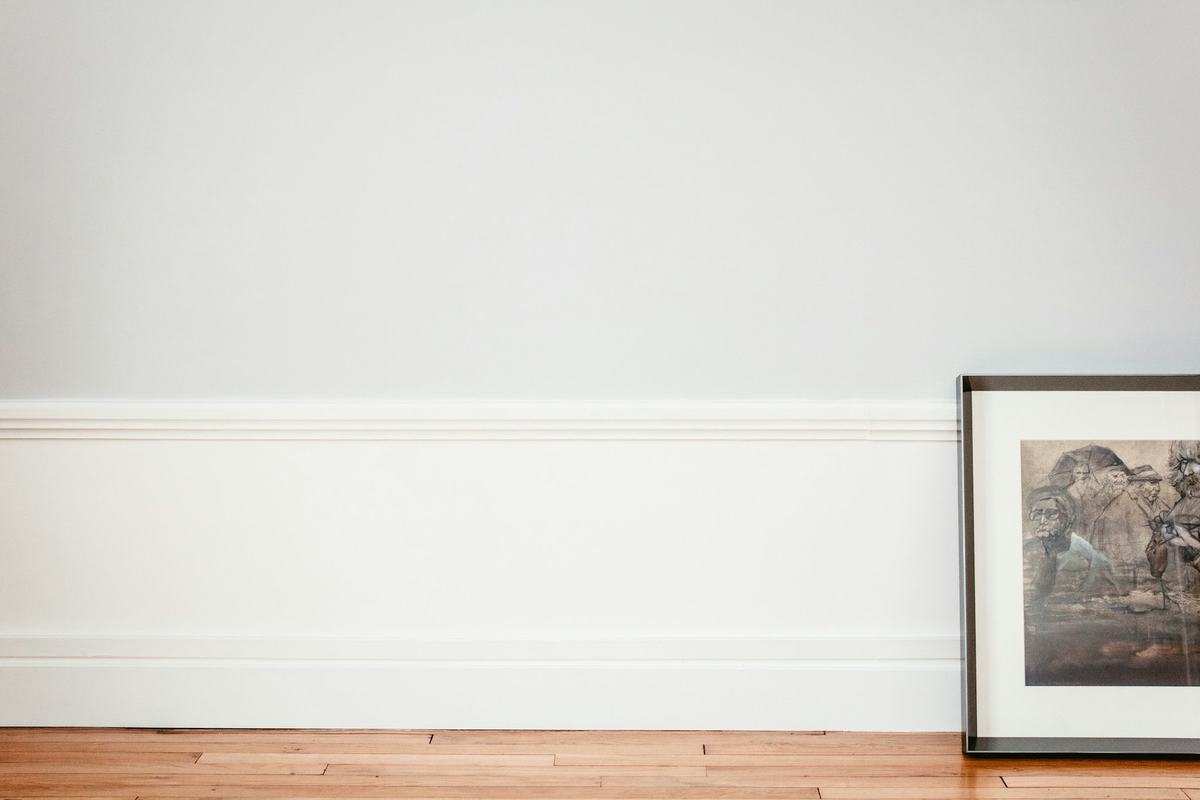
Baseboard Installation & Painting
Measured, cut, fastened, filled and caulked, then painted to a clean line.
View serviceRequest an estimate
Ready to scope interior painting?
Send the rooms, surfaces and rough quantities you have. We reply to confirm a visit, assess the conditions on site, and give you a written scope and price before any work is scheduled.