
Flooring & Trim
Floor Removal & Preparation in South Florida
Old floating floors taken up and hauled out, and the surface underneath checked, cleaned and made ready for what comes next.
Serving Palm Beach County·Broward County·Miami-Dade County
- Floating-floor removal: $1.65 per sq ft
- Additional heavy grinding: $1.50 per sq ft
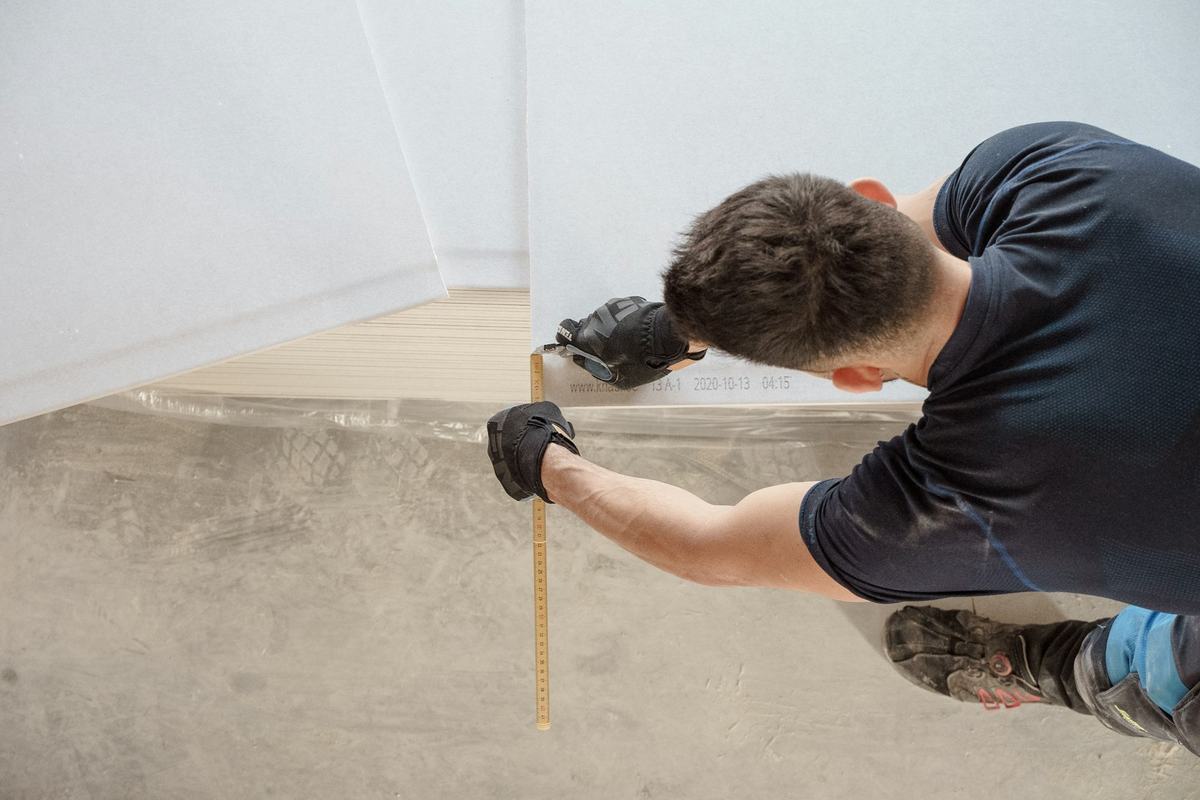
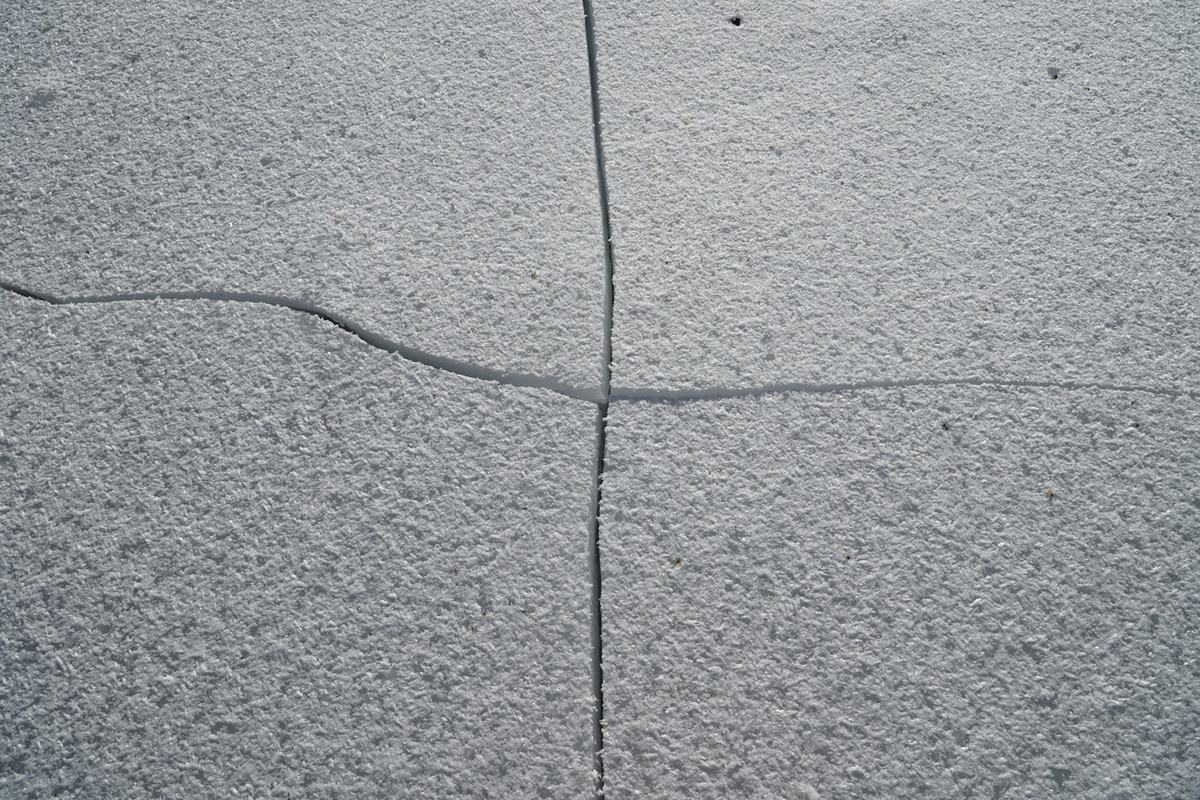
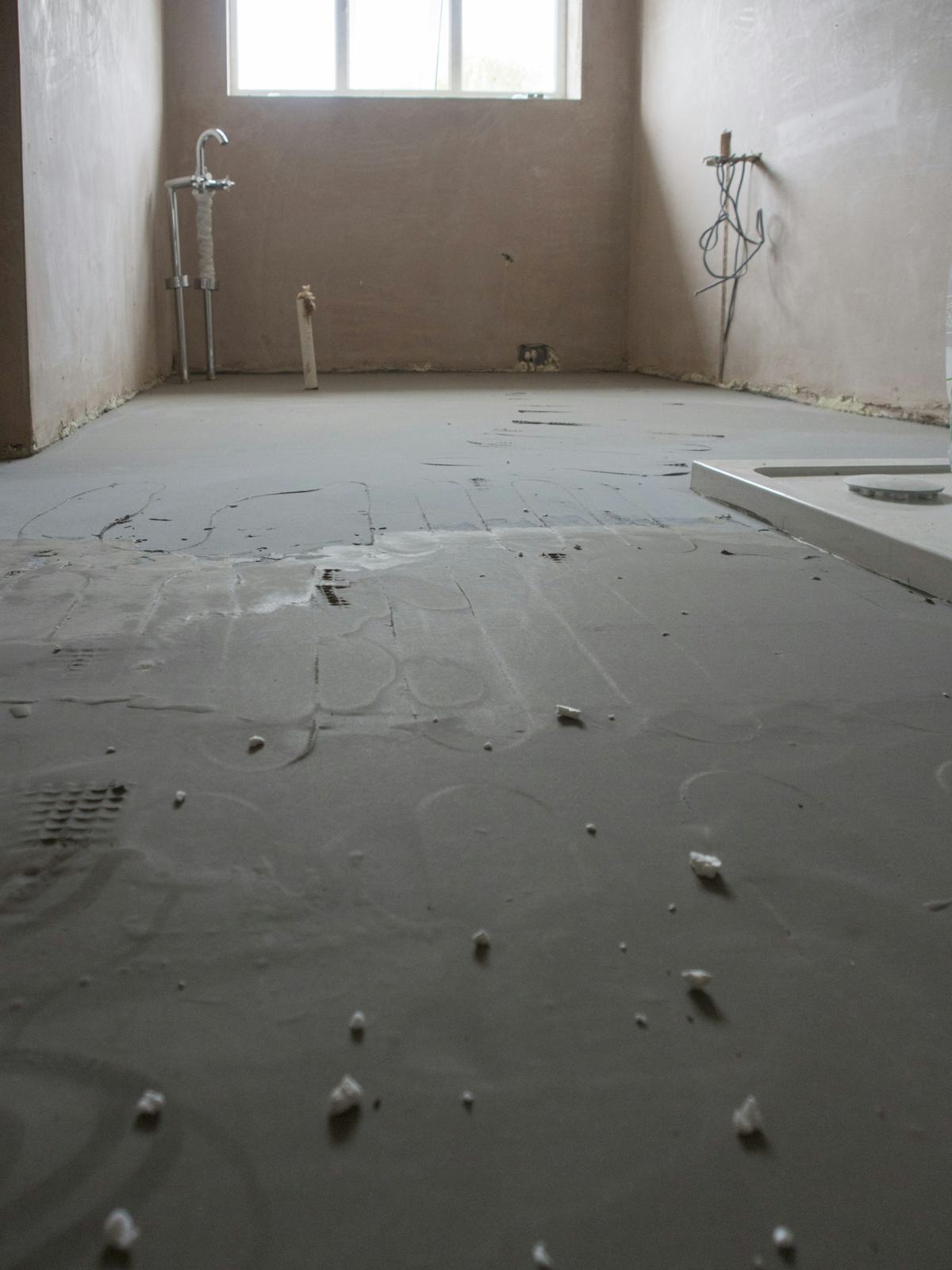
What is under your current floor is usually unknown until it comes up. Removal is the point where cracks, old adhesive, uneven patches and moisture marks become visible, and where the real preparation scope for the new floor can be confirmed.
Our public removal rate applies to floating floors such as laminate and click-lock vinyl, which are not bonded to the slab. Glued, nailed and tiled floors come up very differently and are assessed and priced individually.
Scope
What removal and preparation includes
- Protection of adjacent rooms and finished surfaces along the removal path
- Removal of the floating floor and its underlayment
- Removal of transition strips associated with the old floor
- Bagging and removal of flooring debris from the home
- Scraping and sweeping of the exposed substrate
- A substrate check: flatness, cracks, hollow areas and visible moisture signs
- A clear report of what we found and what, if anything, the new floor needs before installation
Preparation and installation
How we remove and prepare
Identify the floor type
We confirm whether the floor is floating, glued, nailed or tiled. Sometimes a sample area has to be lifted to know. The method and price follow from this.
Protect and isolate
Walkways to the exit are covered, and doorways to other rooms are closed or screened to limit dust travel.
Remove baseboards or shoe molding where needed
Trim that traps the floor edge is removed carefully. Whether it is reinstalled or replaced is agreed beforehand.
Lift the floor
Planks are disengaged and removed row by row, followed by the underlayment. Debris is bagged as we go rather than piled in the room.
Clean the substrate
Staples, residue and loose material are scraped off, and the floor is swept and vacuumed so its condition can actually be seen.
Check and document
We check flatness with a straightedge, look for cracks, hollow spots and moisture signs, and show you what we find.
Agree the next step
If the substrate is ready, installation can proceed. If it needs grinding, patching, moisture mitigation or leveling, that work is scoped and priced before it starts.
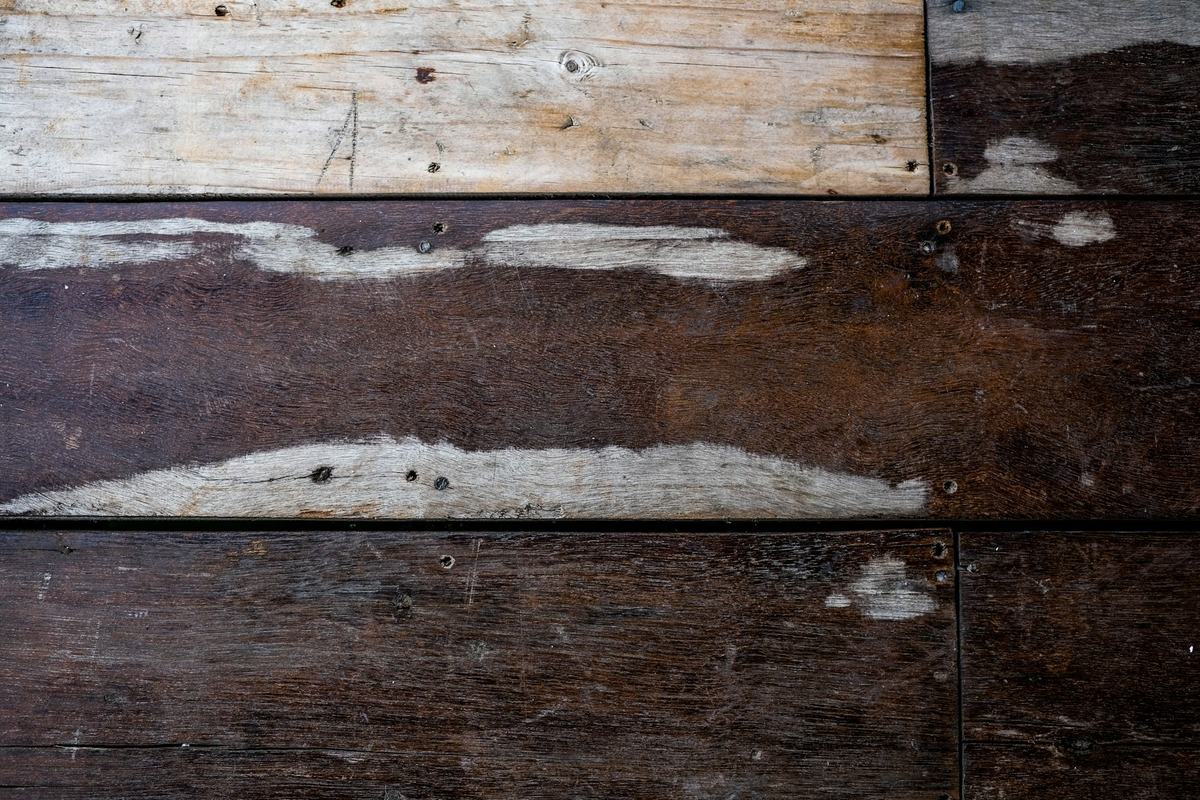
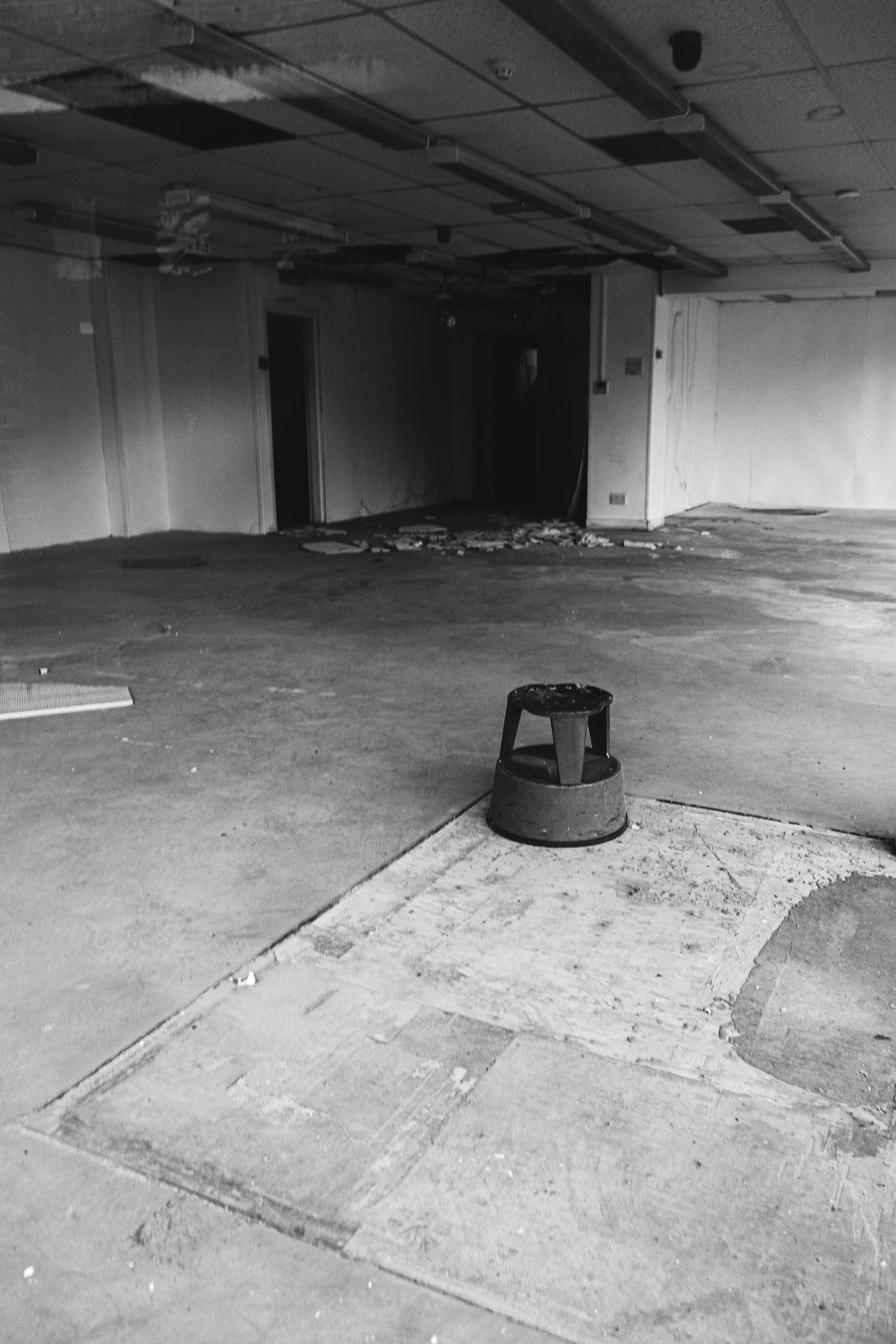
Images shown illustrate service and finish options.
Finish and system choices
What the substrate may need
Not every floor needs all of these. Each one is added only when the assessment shows it is required.
Clean and go
A flat, sound, dry substrate needs only cleaning before new flooring. This is the best case and it does happen.
Spot grinding and patching
Isolated high spots are ground down and low spots or small defects are filled with patching compound.
Self-leveling underlayment
Where larger areas are out of tolerance, a self-leveling underlayment creates a flat plane. Depth is determined by measuring the floor. See leveling.
Moisture mitigation
Where a concrete slab shows moisture concerns, a mitigation treatment may be needed before moisture-sensitive flooring or coatings are installed.
Scope boundaries
What is not included, and what we assess on site
These are the points most often left unsaid in an estimate. We would rather you read them here than discover them later.
Not included unless listed in your estimate
- Removal of glued-down, nailed or tiled floors at the floating-floor rate
- Adhesive removal, grinding, patching and leveling, which are itemized separately
- Testing for or handling of regulated materials in older flooring or adhesives
- Moving heavy appliances, pianos and similar items
- Baseboard replacement
- Repair of plumbing leaks or other causes of moisture
Conditions we check before pricing
- The actual floor type and how it is attached
- More than one layer of flooring
- The age of existing flooring and adhesives, which may call for testing before disturbance
- Cracks, hollow-sounding areas and previous patches in the slab
- Moisture staining, efflorescence or a musty smell
- Floor-height changes the removal will create at doors and adjoining rooms
Public rates
What it costs to start the math
Preparation items are added only where the assessment shows they are needed. Self-leveling depth is determined by measuring the floor, not chosen in advance.
| Item | Public rate | Unit |
|---|---|---|
| Floating-floor removalPer square foot removed | $1.65 | per sq ft |
| Additional heavy grindingPer square foot | $1.50 | per sq ft |
| Moisture mitigationPer square foot | $2.50 | per sq ft |
| Self-leveling, 1/8 inchPer square foot | $5.50 | per sq ft |
| Self-leveling, 1/4 inchPer square foot | $7.00 | per sq ft |
| Self-leveling, 1/2 inchPer square foot | $10.50 | per sq ft |
Rate version 2026-10-05.1. Standard complexity shown; Moderate is ×1.18 and Heavy is ×1.35. Preliminary only: final scope and pricing require a site assessment. Applicable taxes and assessed extras are not included.
Finish options and details
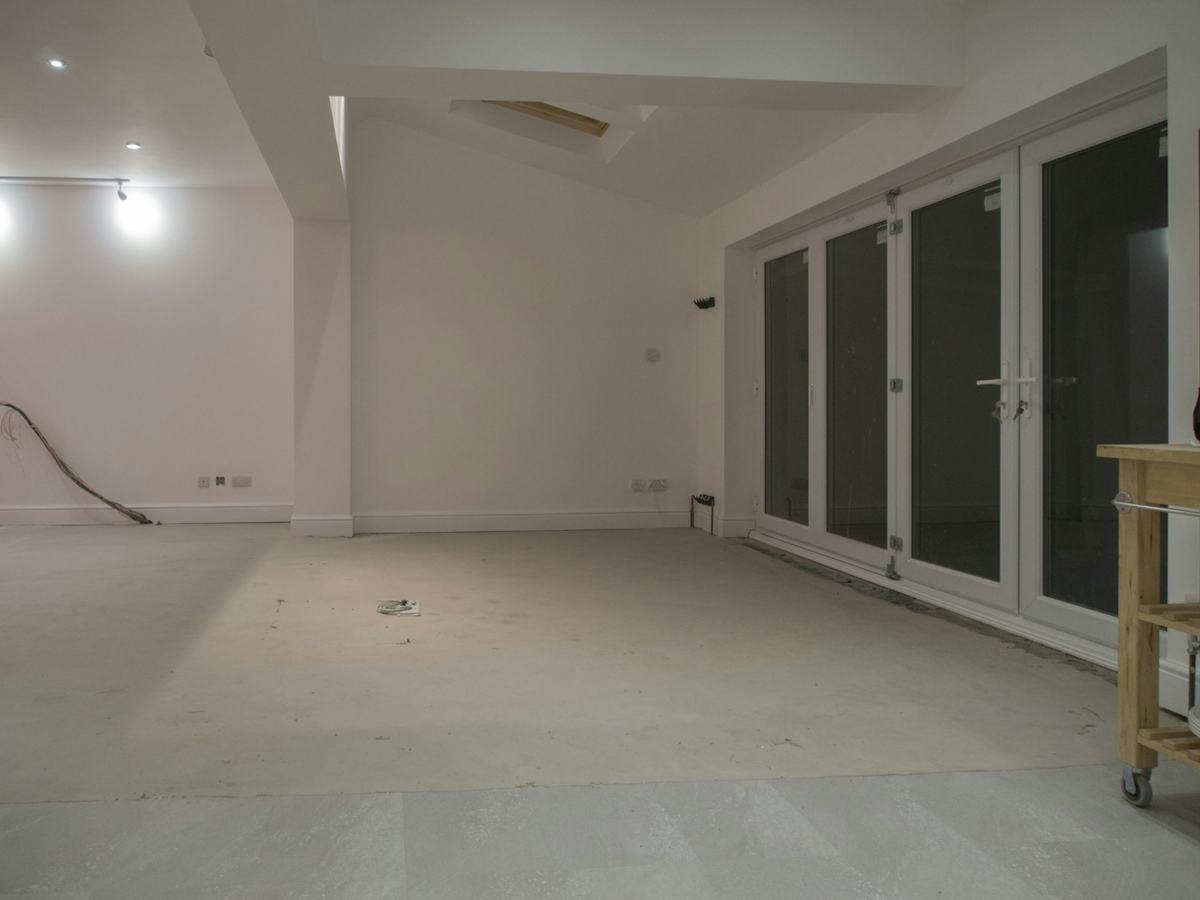
Images shown illustrate service and finish options.
What is a floating floor?
A floor whose planks lock to each other and rest on the subfloor without glue or nails. Most laminate and click-lock vinyl floors are floating. They come up faster and cleaner than bonded floors, which is why the public rate applies only to them.
Can you remove tile or glued-down flooring?
Tell us what you have when you request an estimate. Bonded floors need different tools, create more dust and debris, and leave residue that must be dealt with. We assess them individually rather than quoting them at the floating-floor rate.
Will the slab need leveling?
Nobody can say honestly until the old floor is up and the slab has been checked with a straightedge. Many floors need only spot work. Some need leveling over a larger area. We measure, show you the result and price only what is needed.
Is removal dusty?
Lifting a floating floor produces relatively little dust. Scraping residue and grinding high spots produce more. We isolate the area and use vacuum-attached tools for grinding, but you should expect some dust during preparation work.
Do you take the old flooring away?
Yes. Removal includes bagging the old floor and underlayment and taking it out of the home.
Related services
Often scoped together
LVP Flooring Installation
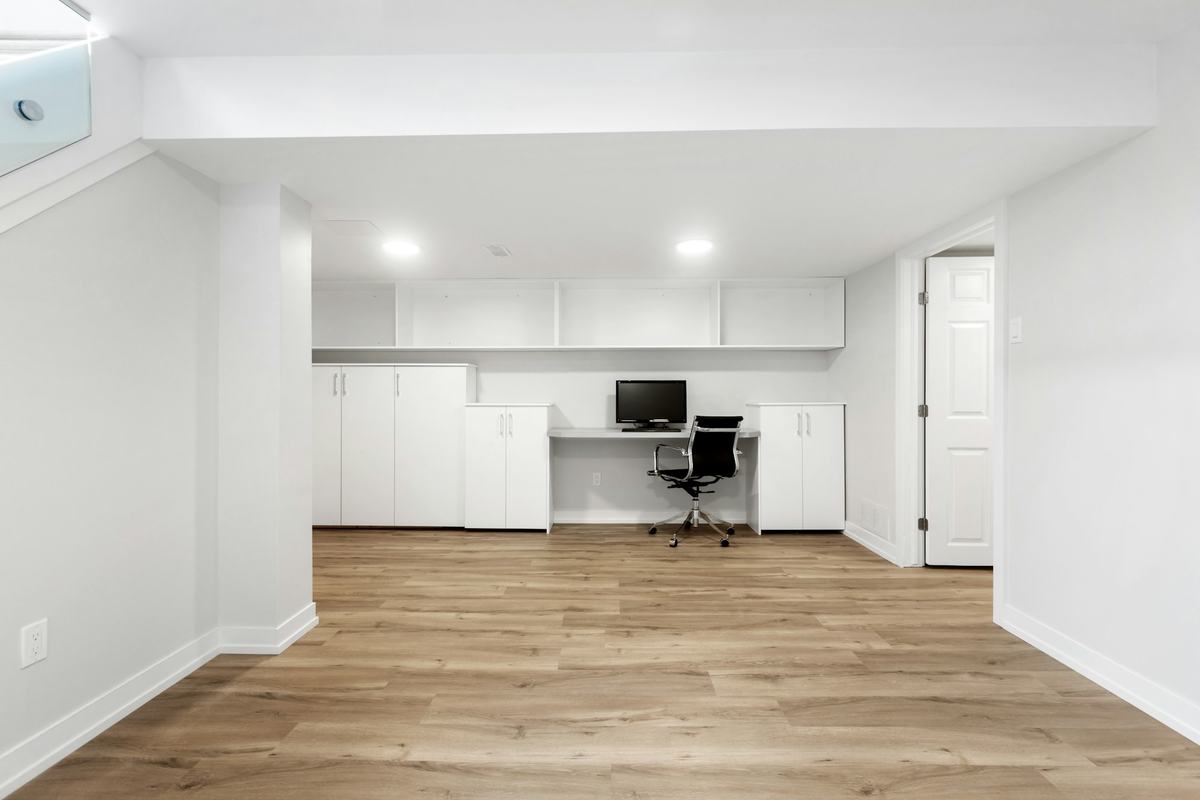
Click-lock luxury vinyl plank laid over a substrate checked for flatness and moisture.
View service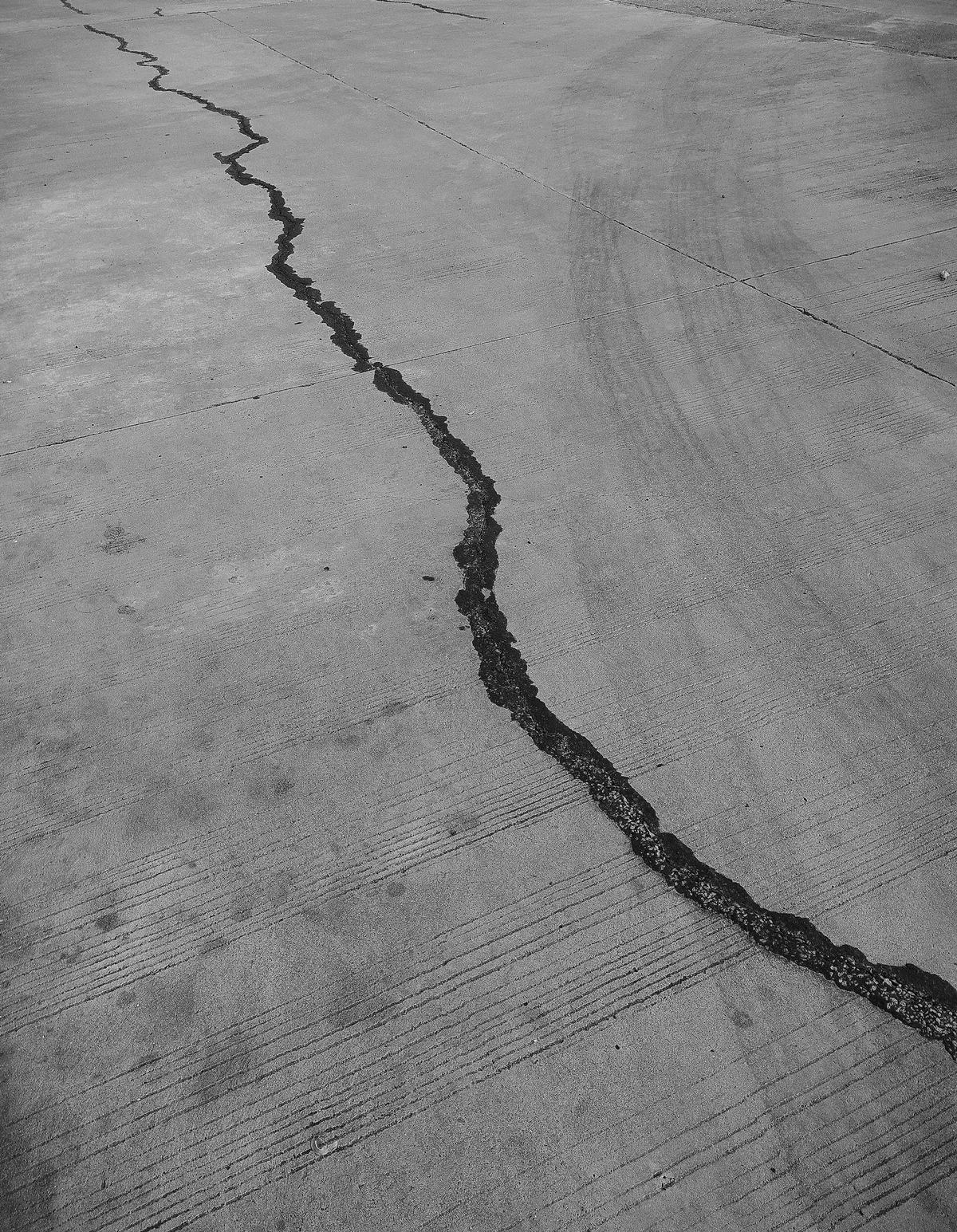
Concrete Repairs, Moisture Mitigation & Leveling
Cracks, old coatings, moisture and flatness dealt with before the finish goes down.
View service
Baseboard Installation & Painting
Measured, cut, fastened, filled and caulked, then painted to a clean line.
View serviceRequest an estimate
Ready to scope floor removal & preparation?
Send the rooms, surfaces and rough quantities you have. We reply to confirm a visit, assess the conditions on site, and give you a written scope and price before any work is scheduled.