
Painting
Ceiling, Trim & Door Painting in South Florida
The surfaces that frame a room: ceilings rolled evenly, trim sanded and caulked, doors finished smooth on both faces.
Serving Palm Beach County·Broward County·Miami-Dade County
- Ceiling painting: $1.55 per sq ft
- Baseboard painting: $2.75 per linear ft
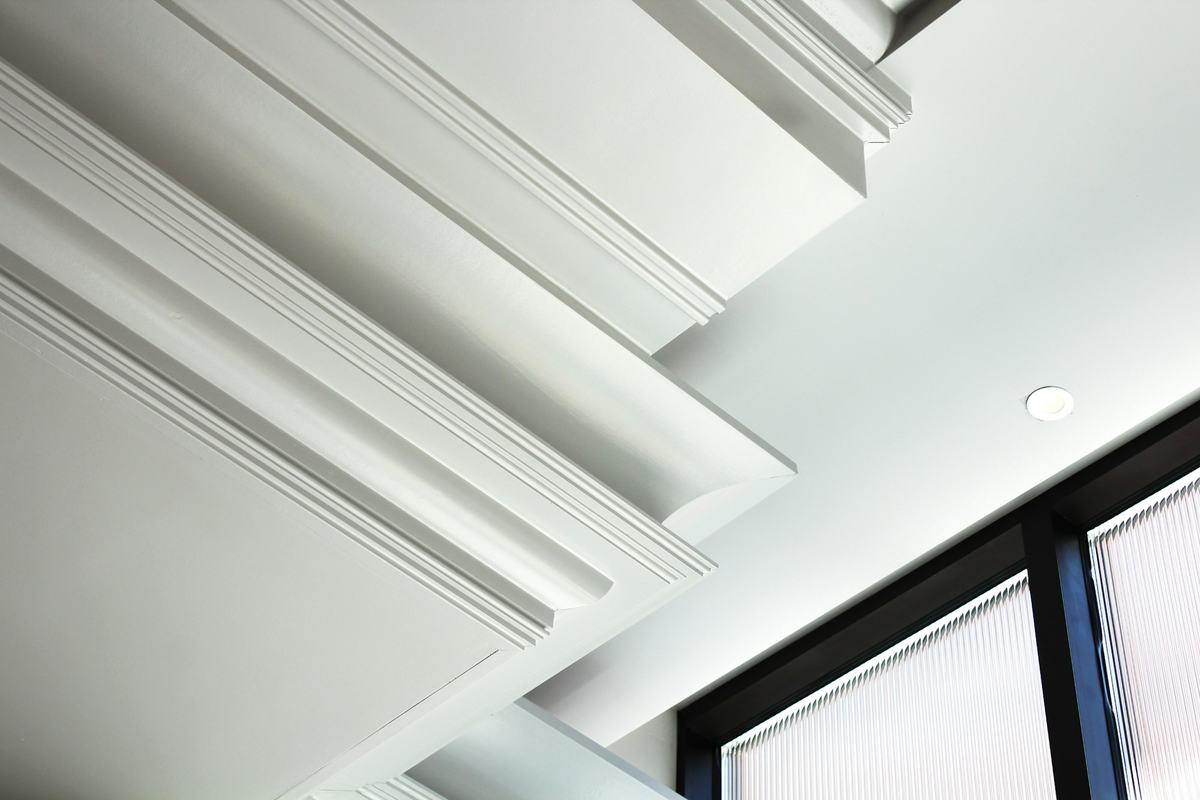
Ceilings, trim and doors are harder to paint well than walls. Ceilings show roller marks under daylight. Trim and doors are seen up close and touched every day, so brush marks, drips and unfilled nail holes stand out. Each of these surfaces is priced as its own item so the preparation it needs is accounted for.
This work is often combined with interior wall painting. When it is, we sequence it so cut lines between ceiling, wall and trim stay sharp: ceilings first, then trim and doors, then walls, unless the products chosen call for a different order.
Scope
What this service includes
- Floors, furniture and fixtures below ceilings fully covered
- Ceilings: surface dusted, minor cracks and nail pops filled, ceiling rolled to a uniform finish
- Baseboards and casings: nail holes filled, surfaces sanded, top edges and joints caulked
- Doors: hardware removed or masked, slab sanded, both faces and edges painted
- Spot priming of bare wood, filler and repaired areas
- A straight, clean line where trim meets wall and where ceiling meets wall
- Hardware reinstalled and coverings removed at completion
Preparation and installation
How we prepare and paint each surface
Cover everything below
Ceiling work puts paint overhead, so floors and furniture are covered completely and light fixtures are masked or lowered where practical.
Repair and prepare the ceiling
Hairline cracks and nail pops are filled and sanded. Stains are identified; those that could bleed through need a stain-blocking primer, which is listed separately when required.
Roll the ceiling
Edges are cut in, then the ceiling is rolled in a consistent direction with a wet edge to avoid lap marks.
Prepare trim and doors
Nail holes are filled, surfaces are sanded to dull the old finish and level imperfections, and open joints are caulked. Door hardware is removed or masked.
Prime where needed
Bare wood, filler and any area sanded through to substrate are primed so the finish coats build evenly.
Apply finish coats
Trim and doors receive finish coats with light sanding between coats where the product and surface call for it.
Reassemble and review
Hardware goes back on and doors are checked for free operation once coatings have dried. We review the work with you before closing the job.
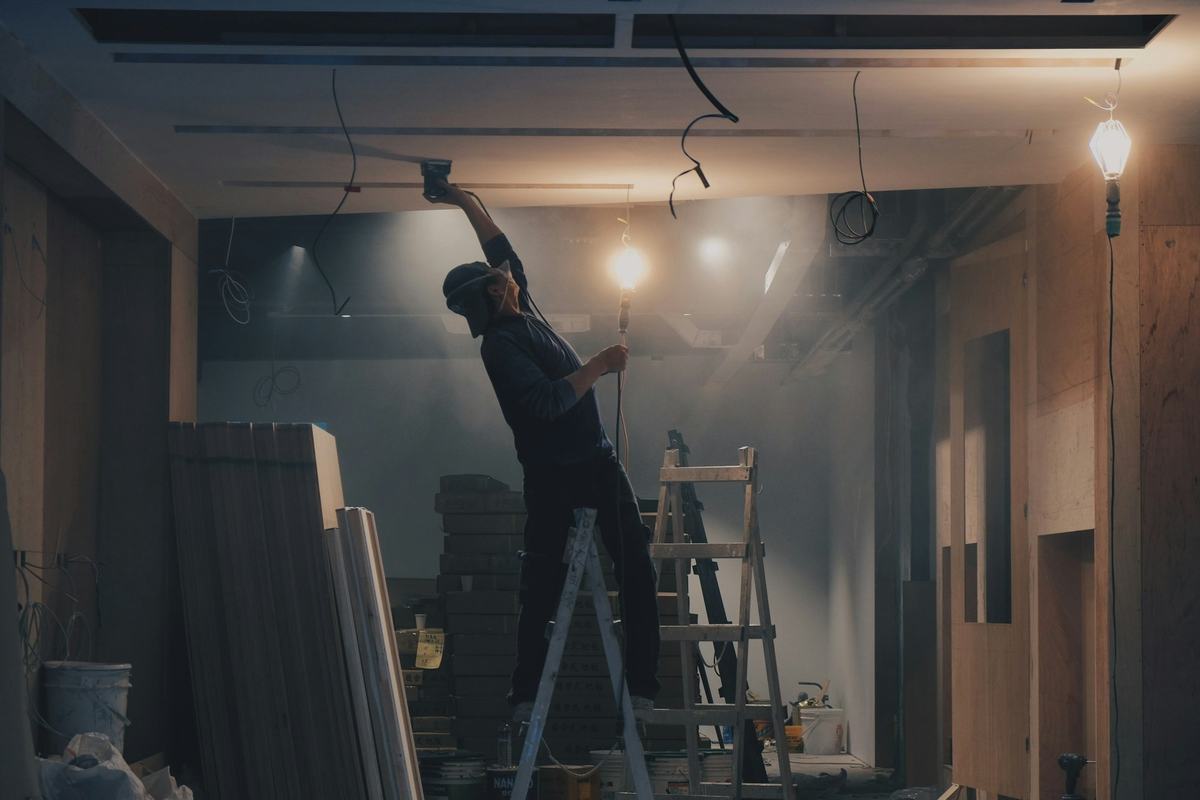
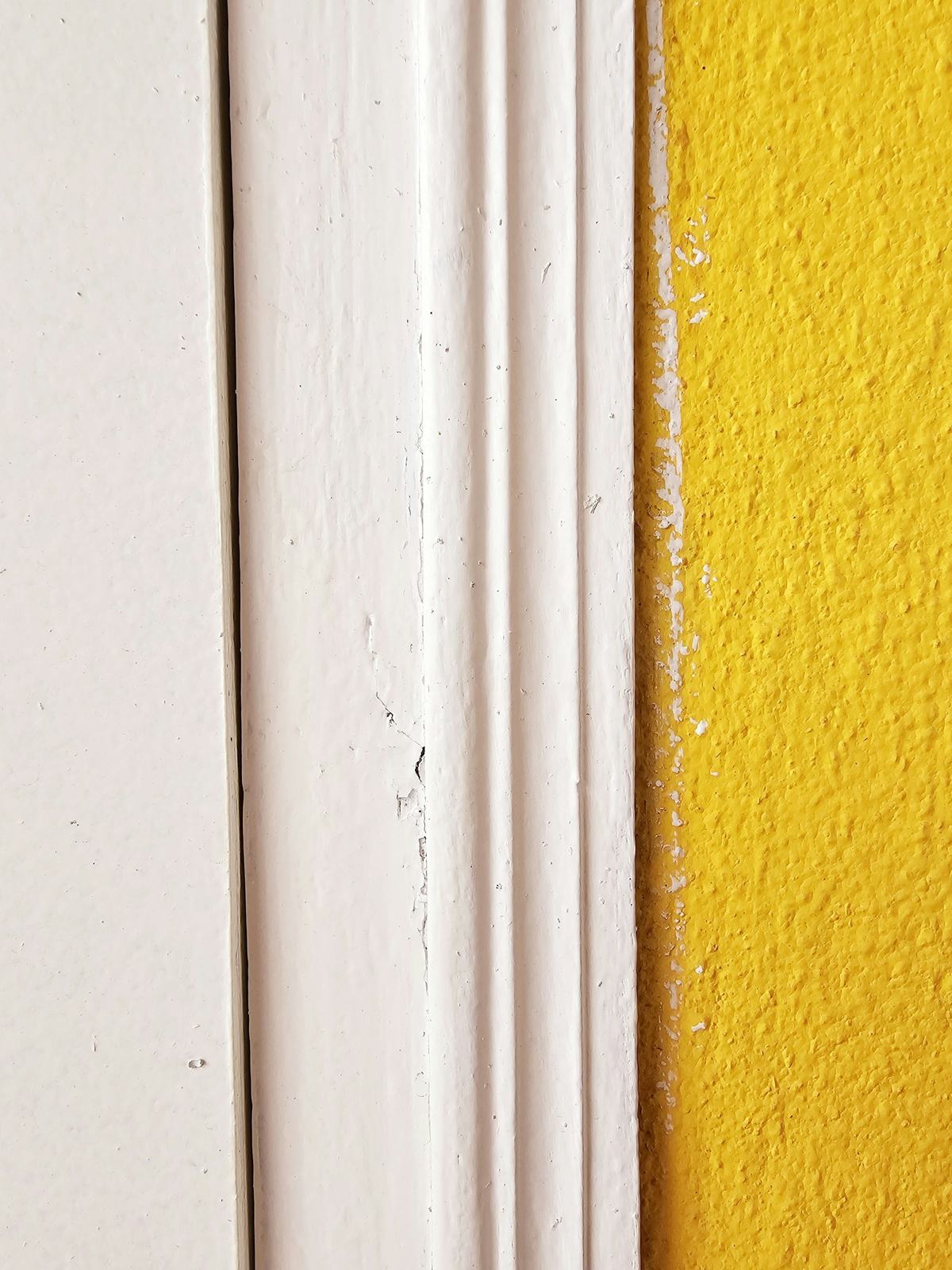
Images shown illustrate service and finish options.
Finish and system choices
Finish choices
Trim and door finishes are chosen for durability and cleanability. Ceilings are chosen to hide.
Flat ceiling finish
The usual choice for ceilings. It reflects little light, so it hides joints and roller texture better than any sheen.
Satin on trim and doors
A soft sheen that cleans easily and is more forgiving of older, slightly uneven trim.
Semi-gloss on trim and doors
A brighter, harder-wearing look that is easy to wipe down. It highlights profiles and also highlights flaws, so preparation is more important.
Brushed or sprayed doors
Doors can be brushed and rolled in place or, where the setting allows, sprayed for a smoother surface. The method is agreed in your estimate.
Scope boundaries
What is not included, and what we assess on site
These are the points most often left unsaid in an estimate. We would rather you read them here than discover them later.
Not included unless listed in your estimate
- Walls, which are priced under interior painting
- Door frames and casings when only the door slab is listed, and the reverse
- Popcorn or heavy texture removal, and texture matching
- Replacement of damaged trim or doors
- Stain-blocking primer coats unless listed in your estimate
- Crown molding and built-ins unless they are itemized
Conditions we check before pricing
- Water stains or sagging that suggest a past or active leak
- Vaulted, coffered or very high ceilings that need staging
- Textured ceilings, which take more material and care
- Trim with heavy paint build-up, peeling or failing caulk
- Doors that stick or rub and may bind after painting
- Stained or clear-coated wood being converted to paint
Public rates
What it costs to start the math
Ceilings are measured by ceiling area, baseboards along the wall in linear feet, and doors per door slab.
| Item | Public rate | Unit |
|---|---|---|
| Ceiling paintingPer square foot of ceiling | $1.55 | per sq ft |
| Baseboard paintingPer linear foot | $2.75 | per linear ft |
| Door paintingPer door | $140.00 | per door |
Rate version 2026-10-05.1. Standard complexity shown; Moderate is ×1.18 and Heavy is ×1.35. Preliminary only: final scope and pricing require a site assessment. Applicable taxes and assessed extras are not included.
Finish options and details
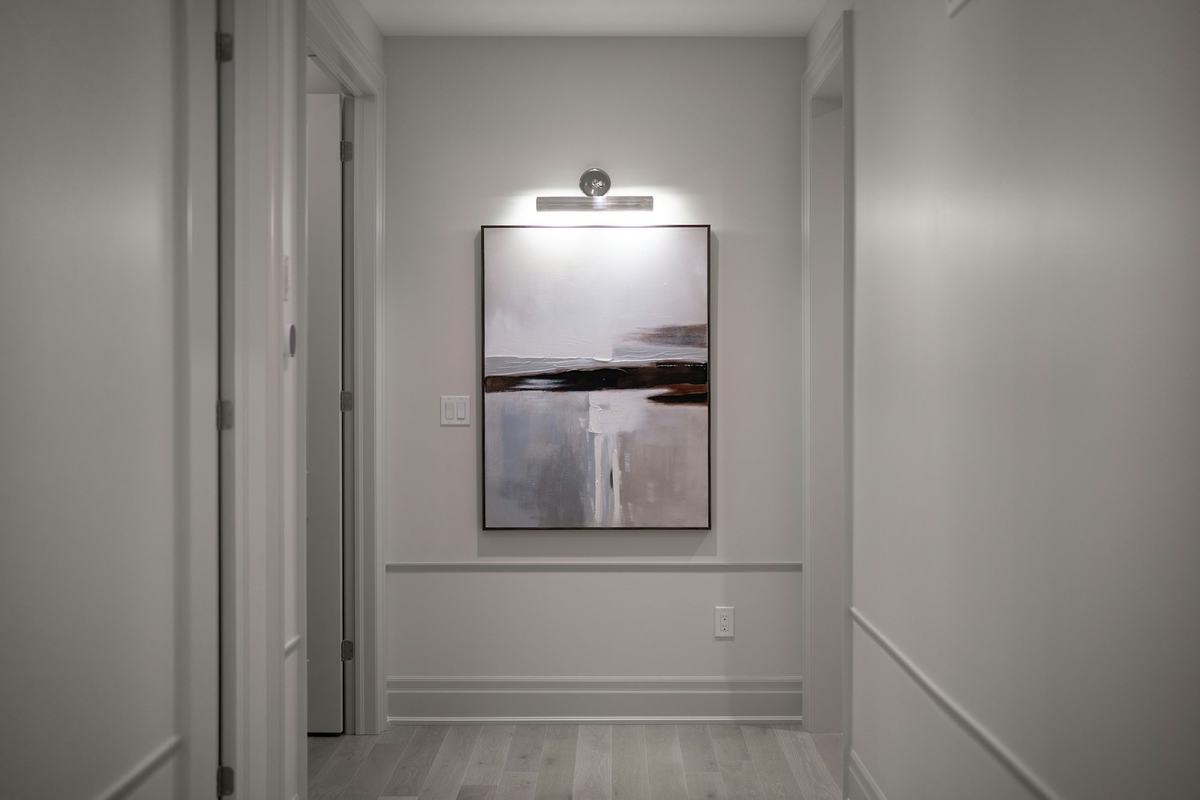
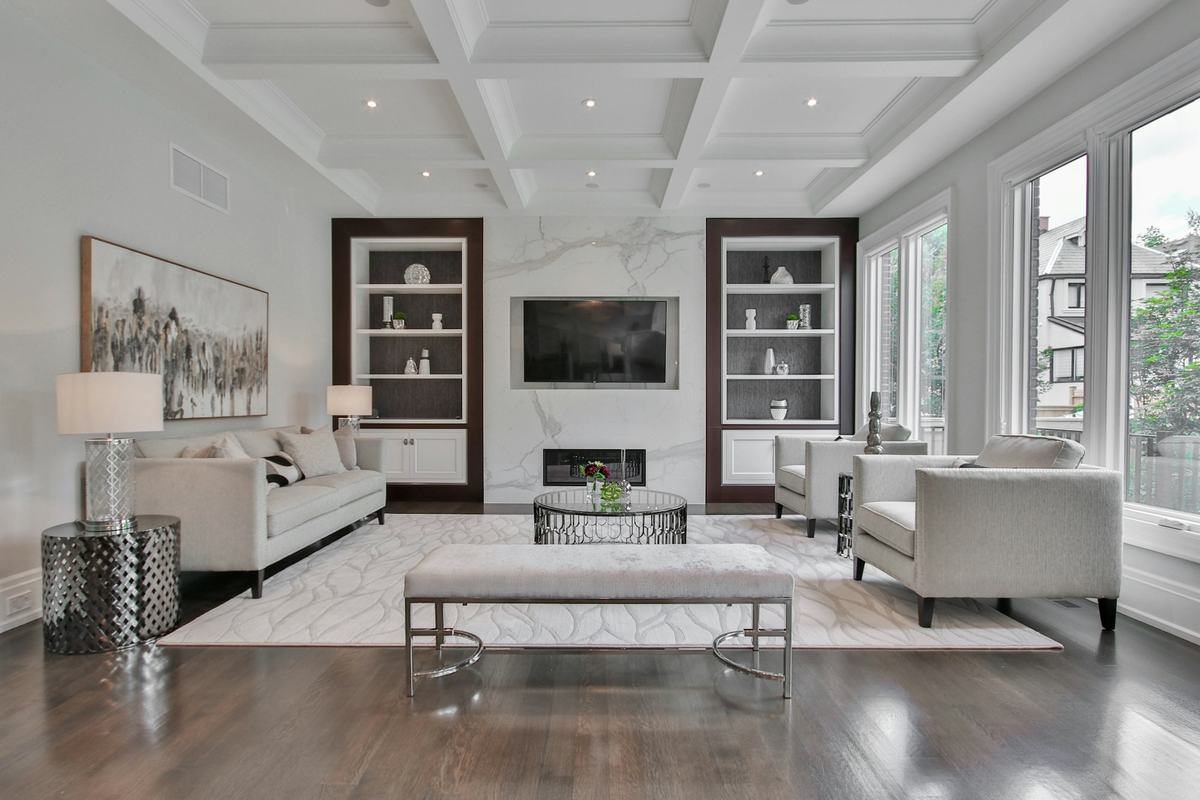
Images shown illustrate service and finish options.
Is the ceiling rate the same as the wall rate?
The public rate per square foot is the same, but they are measured differently. Ceilings are measured by ceiling area, which for a flat ceiling matches the floor area of the room. Walls are measured by paintable wall area.
Does the door price include the frame?
The per-door rate covers the door slab. Frames and casings are trim and are confirmed during the assessment, because their size, profile and condition vary from opening to opening.
Can you paint stained wood trim?
Usually, but it needs more preparation than repainting. Stained and clear-coated wood has to be cleaned, sanded and primed with a suitable primer so the paint bonds and tannins do not bleed through. We assess it on site and list the extra steps.
Will you remove door hardware?
Where it comes off cleanly, we remove handles and latch plates and reinstall them after painting. Hinges are typically masked. If hardware is seized, painted over or fragile, we mask it and tell you.
Do you remove popcorn ceilings?
Texture removal is not part of our standard ceiling painting scope. If your ceilings are textured, tell us when you request an estimate and we will explain what we can and cannot do after seeing them.
Related services
Often scoped together
Interior Painting
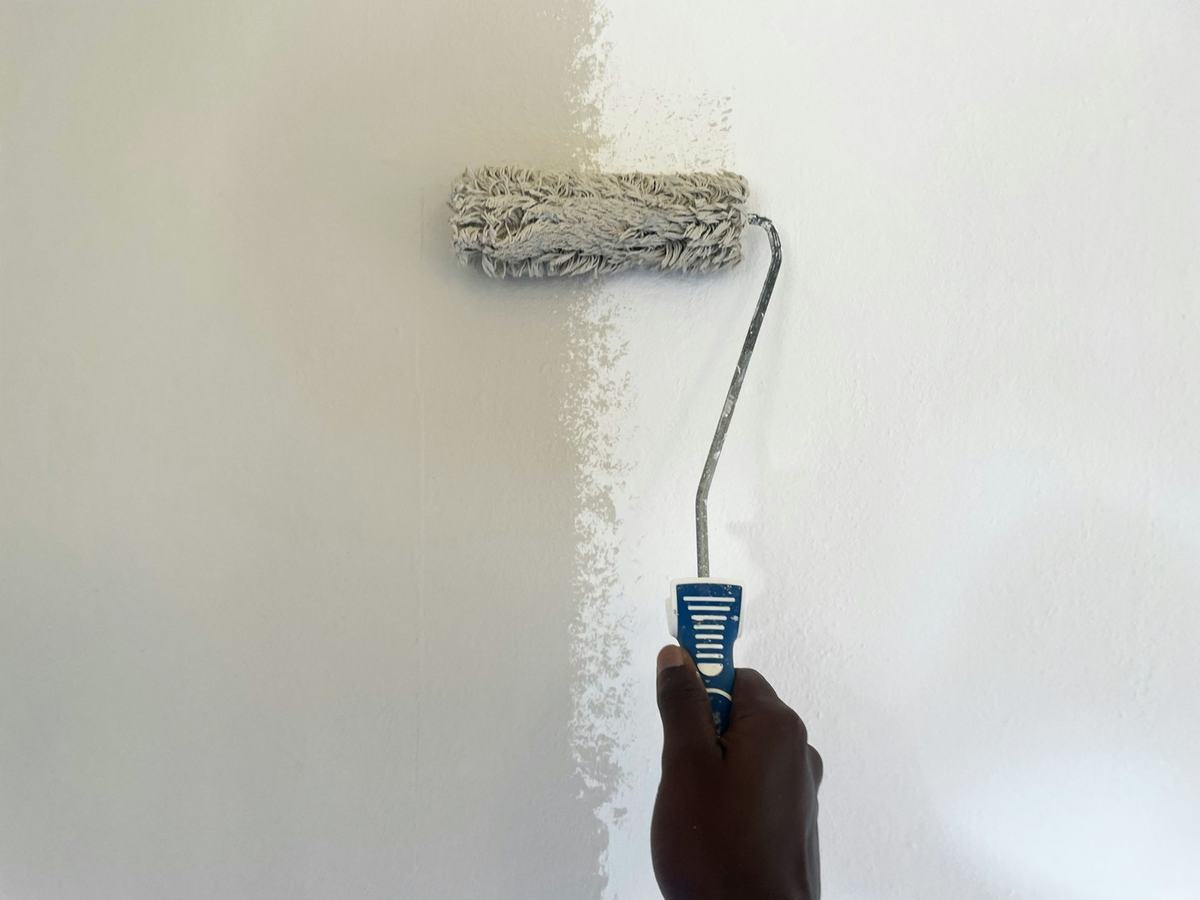
Walls filled, sanded and caulked, then finished in two coats with clean cut lines.
View service
Baseboard Installation & Painting
Measured, cut, fastened, filled and caulked, then painted to a clean line.
View service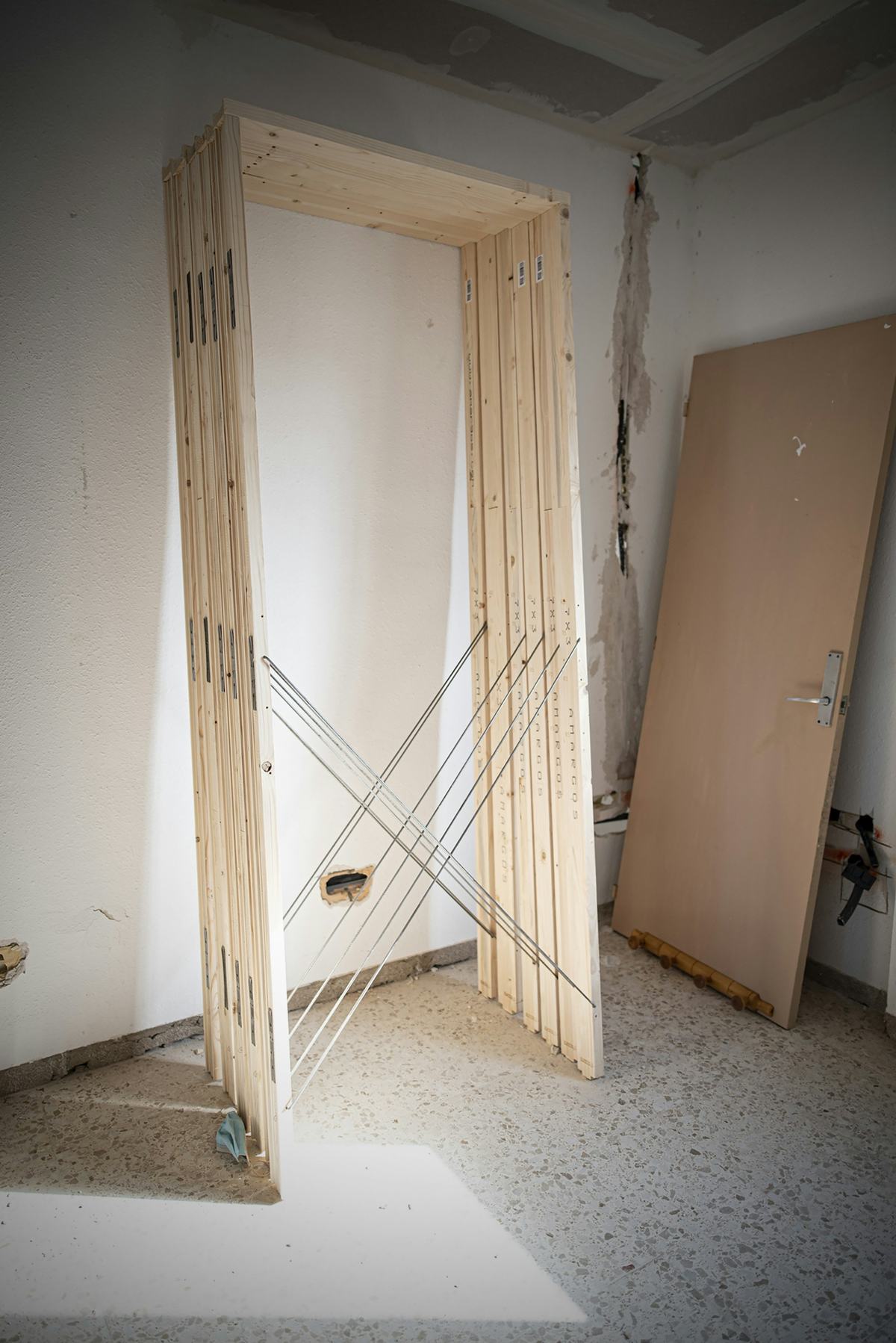
Interior Door Installation
Prehung units set plumb, level and square, with even reveals and a clean latch.
View serviceRequest an estimate
Ready to scope ceiling, trim & door painting?
Send the rooms, surfaces and rough quantities you have. We reply to confirm a visit, assess the conditions on site, and give you a written scope and price before any work is scheduled.